
In the rapidly evolving landscape of digital betting, infrastructure fault tolerance has emerged as a critical factor in ensuring seamless user experiences and operational stability. Betting platforms operate in an environment where milliseconds can determine the difference between successful transactions and user dissatisfaction. Therefore, the capacity of the infrastructure to withstand, adapt to, and recover from faults directly influences both user trust and business continuity. This resilience is achieved through a combination of architectural design principles, redundancy strategies, proactive monitoring, and intelligent recovery mechanisms.
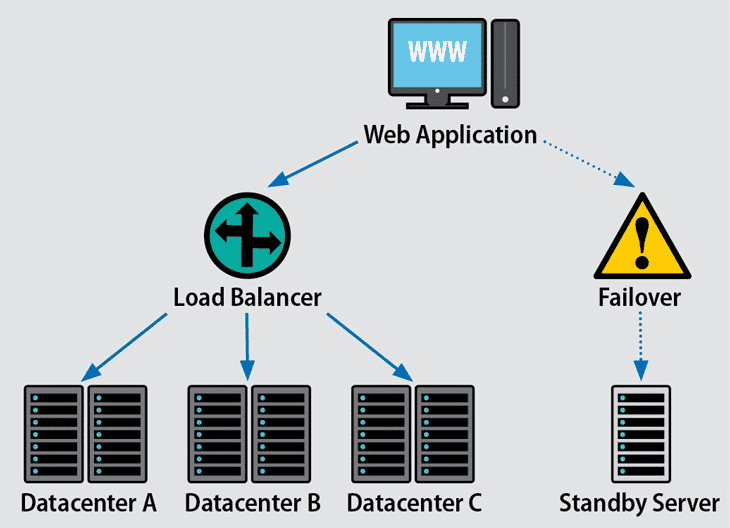
At the core of fault-tolerant infrastructure is the principle of redundancy. Betting platforms often deploy multiple layers of redundancy across both hardware and software components. Redundant servers, network paths, and storage solutions ensure that a failure in one component does not cascade into a system-wide outage. For instance, using geographically distributed data centers allows a platform to reroute traffic seamlessly if one data center experiences downtime. This approach not only mitigates the risk of localized failures but also enhances the platform’s ability to handle traffic spikes without compromising performance. Additionally, redundant databases with synchronous or asynchronous replication provide continuous data availability, preventing loss of critical transactional information.
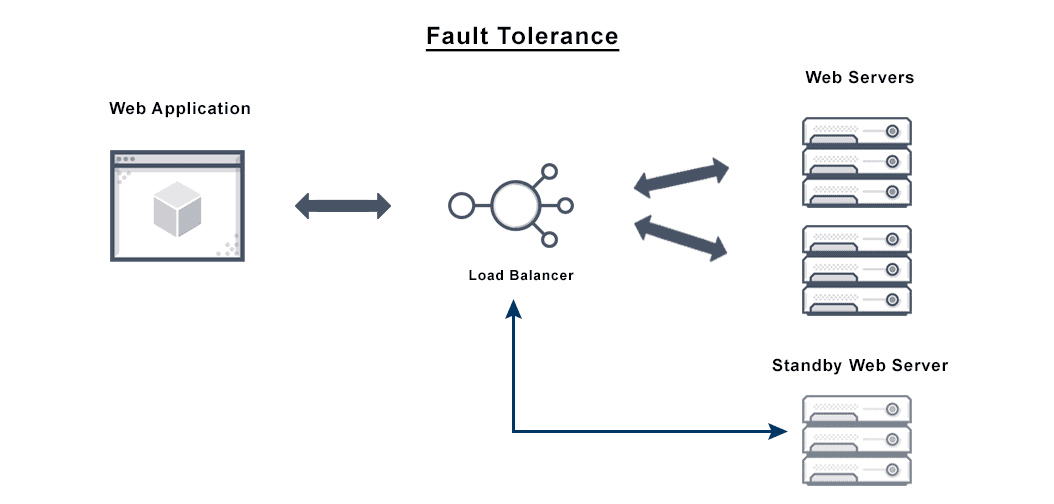
Load balancing is another critical strategy in fault tolerance. Betting platforms often experience highly variable traffic patterns, especially during major sporting events or promotional campaigns. Intelligent load balancers distribute incoming requests across multiple servers, preventing any single server from becoming a bottleneck. When a server fails or becomes overloaded, the load balancer automatically reroutes traffic to healthy servers, maintaining uninterrupted service. Advanced load balancing strategies also include health checks, which continuously monitor the responsiveness of backend servers. In cases where a server exhibits latency or errors, the system dynamically excludes it from the request pool until it recovers, minimizing the impact on users.
Monitoring and predictive analytics play a central role in minimizing the impact of faults. Real-time monitoring systems track key performance indicators such as latency, error rates, and system throughput. By integrating machine learning algorithms, platforms can predict potential points of failure before they manifest as service disruptions. For example, anomalous spikes in database query times or network latency can trigger preemptive mitigation actions, such as scaling resources or redistributing workloads. Predictive maintenance reduces unplanned downtime and ensures that the infrastructure remains resilient under varying conditions, which is particularly critical in high-stakes betting scenarios where trust and reliability are paramount.
Fault tolerance also extends to software design through techniques such as graceful degradation and circuit breaker patterns. Graceful degradation ensures that, in the event of a partial system failure, the platform continues to provide core functionalities while limiting non-essential features. For example, if a recommendation engine fails, the betting platform can still process bets and update account balances without interruption. Circuit breakers act as protective barriers within the software architecture, temporarily halting operations for components experiencing repeated failures. This prevents cascading errors and allows the system to recover more predictably, preserving overall stability and user confidence.
Another essential aspect of infrastructure fault tolerance is data integrity and recovery. Betting platforms handle large volumes of financial transactions that must be accurate and reliable. Implementing robust backup strategies, including frequent snapshots, offsite storage, and transactional logging, ensures that critical data can be restored quickly in the event of corruption or loss. Additionally, adopting eventual consistency models in distributed systems allows the platform to reconcile temporary inconsistencies without impacting the user experience. Data recovery plans, combined with automated failover mechanisms, ensure that the platform can resume normal operations swiftly after a fault occurs, minimizing the risk of revenue loss and reputational damage.
Network resilience is equally important for fault tolerance. Redundant network connections, multiple Internet service providers, and failover routing protocols protect against connectivity issues that could disrupt platform operations. Advanced techniques, such as software-defined networking, enable dynamic reconfiguration of network paths in response to outages or congestion. These measures ensure low latency and high availability, which are critical for live betting events where delays can affect odds, bet acceptance, and user satisfaction.
Finally, rigorous testing and validation underpin effective fault tolerance strategies. Simulating various failure scenarios, including server crashes, network partitions, and database outages, allows engineers to observe system behavior and identify potential weaknesses. Chaos engineering practices, where faults are intentionally introduced into the environment, provide valuable insights into the resilience of the platform under real-world conditions. Continuous testing and iterative improvements build confidence that the system can withstand both anticipated and unforeseen disruptions.
In conclusion, infrastructure fault tolerance is a multifaceted approach that integrates redundancy, load balancing, monitoring, predictive analytics, software resilience patterns, data integrity measures, network resilience, and rigorous testing. For betting platforms, where uninterrupted service and accurate transactions are crucial, these strategies collectively ensure reliability, maintain user trust, and support business continuity. As the digital betting ecosystem continues to grow in complexity, investing in robust fault-tolerant infrastructure remains an essential priority for platforms aiming to deliver consistent, high-quality experiences to their users while safeguarding operational stability.


Leave a Reply