
Online gambling platforms operate in an environment defined by volatility, unpredictability, and intense competition. Among the challenges these platforms face, traffic surges—sudden and substantial increases in user activity—pose a unique threat to system stability, user experience, and overall trust in the service. Understanding the mechanisms of traffic surge adaptation is therefore critical for operators aiming to maintain reliability, engagement, and regulatory compliance while accommodating fluctuating user demands. The essence of traffic surge adaptation lies in the integration of scalable infrastructure, real-time monitoring, predictive analytics, and strategic behavioral management, all of which converge to mitigate the risks posed by sudden spikes in activity.
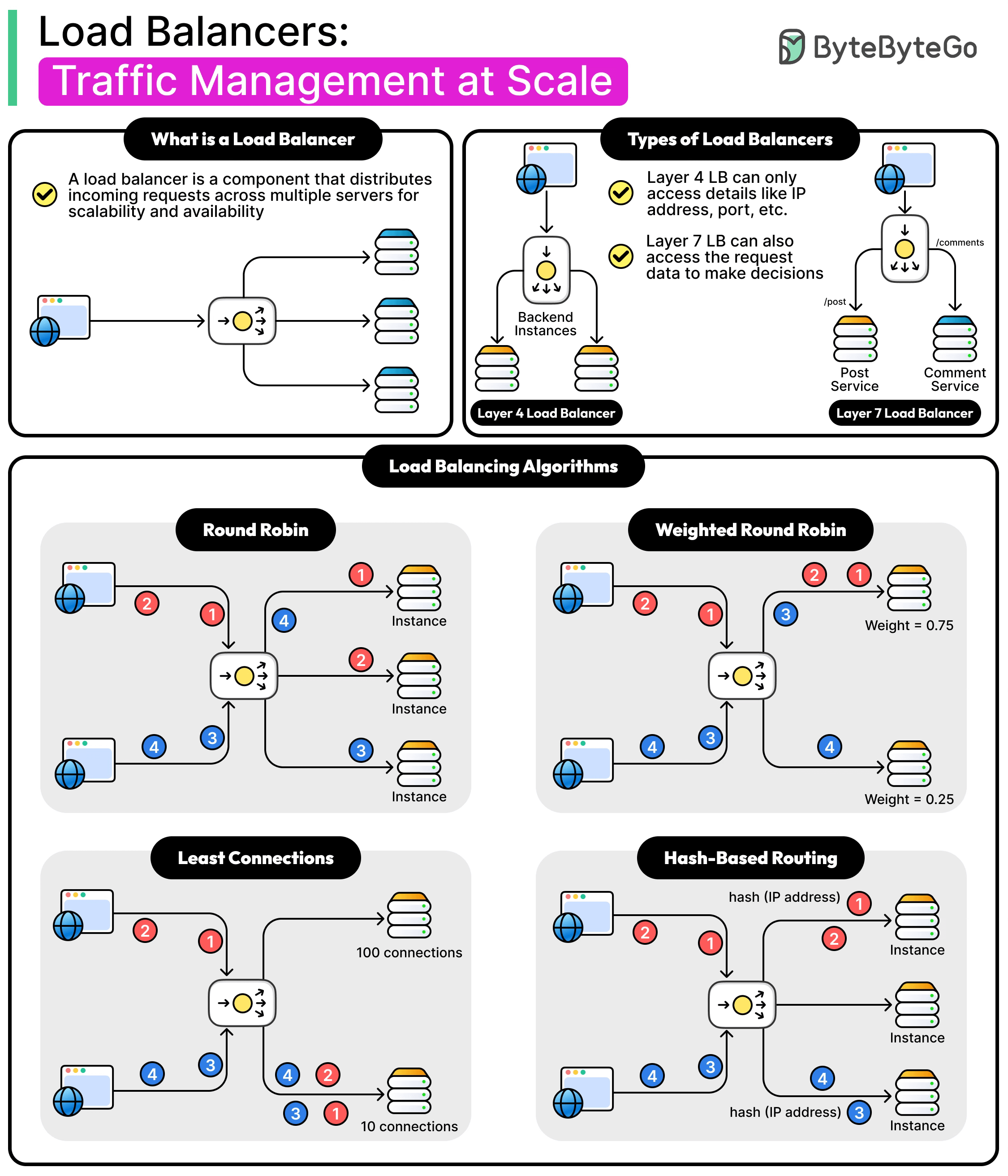
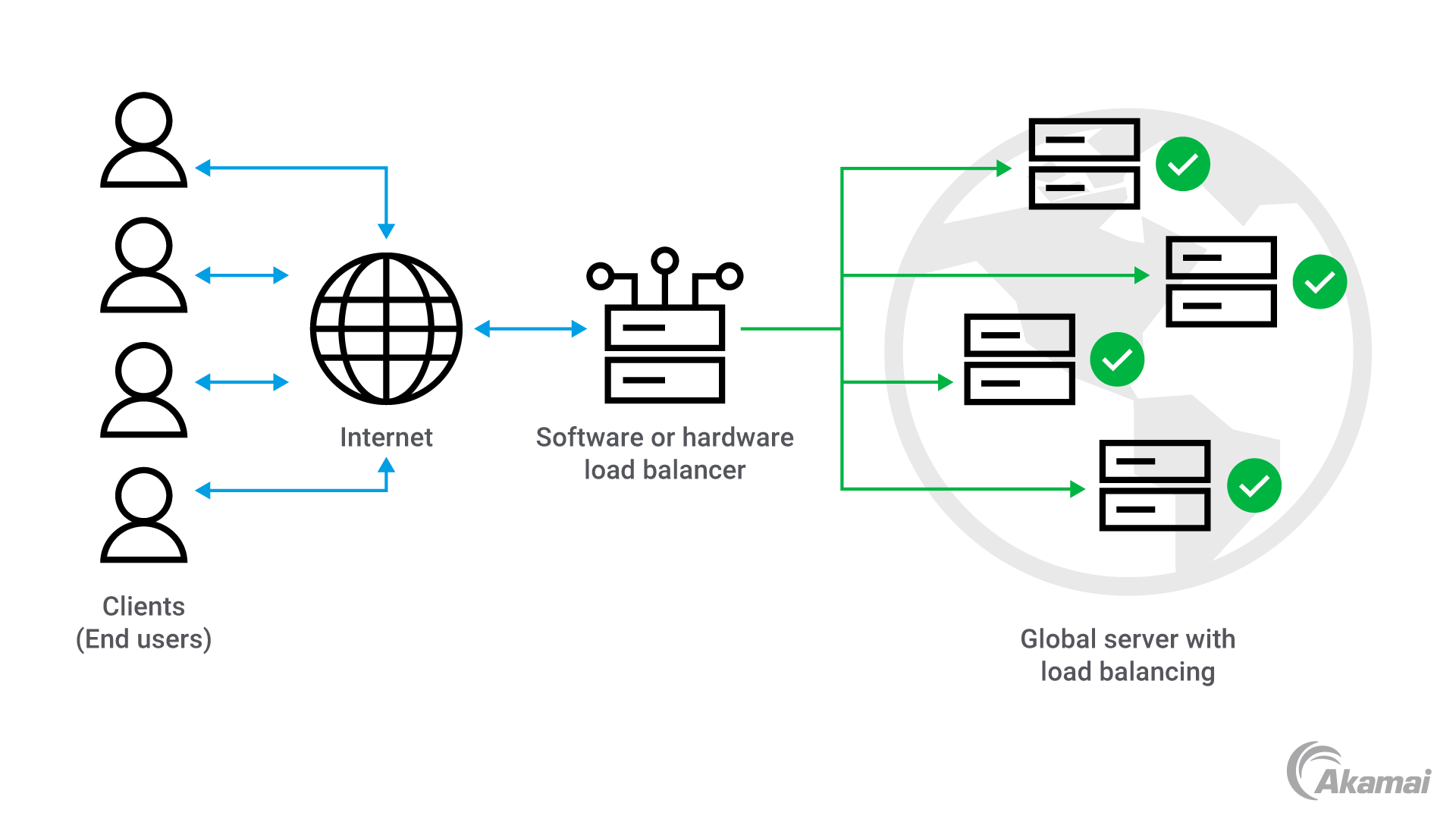
At the core of managing traffic surges is the ability to scale resources dynamically. Cloud computing technologies, container orchestration frameworks, and elastic server clusters allow gambling platforms to expand their processing capacity in response to rising demand. Unlike traditional static hosting solutions, these systems detect increases in concurrent users and automatically allocate additional computational resources, balancing load across multiple nodes. This elasticity ensures that high-traffic events, such as major sports matches or promotional campaigns, do not overwhelm the platform, thereby preventing downtime and preserving the seamless flow of gameplay. Equally important is the optimization of database operations. Gambling platforms handle extensive transactional data, including bet placements, payouts, and user session logs. Distributed database architectures and in-memory caching solutions allow rapid read/write operations, minimizing latency and preventing bottlenecks during peak periods.
Real-time monitoring is another critical component in traffic surge adaptation. Sophisticated observability systems track metrics such as server response time, transaction throughput, and error rates, providing operators with actionable insights into platform performance. Advanced alerting mechanisms can notify technical teams of anomalies before they escalate into system-wide failures. Furthermore, visual dashboards with predictive modeling enable decision-makers to anticipate potential overloads and initiate preemptive measures, such as temporarily throttling non-critical processes or rerouting traffic to underutilized nodes. These monitoring practices not only safeguard the technical stability of the platform but also enhance user confidence by ensuring that games and transactions proceed without interruption, even under sudden influxes of activity.
Predictive analytics extends the capabilities of traffic surge adaptation by providing foresight into user behavior patterns. By analyzing historical data on peak activity periods, seasonal trends, and promotional response rates, gambling operators can forecast when traffic spikes are likely to occur. Machine learning models can identify correlations between specific events and increased user engagement, allowing platforms to prepare infrastructure and operational strategies in advance. This predictive approach reduces reactive firefighting and promotes proactive management, enhancing both the reliability and scalability of the service. Importantly, predictive analytics can inform targeted communication strategies, guiding users to specific games, promotions, or time slots that are better equipped to handle increased load, thereby distributing traffic more evenly across the ecosystem.
User experience design also plays a subtle but vital role in traffic surge adaptation. Platforms that anticipate periods of high demand can implement interface-level adjustments to regulate user interaction without diminishing engagement. Techniques such as progressive loading, dynamic content prioritization, and queue management systems help maintain fluidity in gameplay while mitigating the impact of congestion. For example, introducing visual indicators of wait times or availability for high-demand games can set realistic expectations and reduce frustration among users. Additionally, personalized recommendations based on real-time availability can guide users toward alternative activities, smoothing traffic patterns across the platform. These measures reflect a user-centric approach to surge adaptation, acknowledging that system resilience is inseparable from perceived reliability and satisfaction.
Strategic event planning and traffic management complement these technical and design measures. Online gambling platforms frequently experience surges during predictable periods, such as global sports tournaments, jackpot announcements, or limited-time promotions. Careful scheduling of promotional campaigns, coupled with staggered release of high-demand features, can prevent sudden overloads. Furthermore, collaborations with payment processors, third-party gaming providers, and network infrastructure partners ensure that all components of the ecosystem can handle increased transactional volume. The coordination across multiple operational layers emphasizes that traffic surge adaptation is a systemic challenge, requiring harmonized responses across technology, design, and business strategy.
Security considerations are inseparable from traffic surge management. High-traffic events often attract malicious activity, including denial-of-service attacks, bot-driven betting, and fraudulent transactions. Adaptive security measures, such as rate limiting, anomaly detection, and multi-factor authentication, help protect both the platform and its users during periods of peak load. Integrating these safeguards into the surge adaptation framework ensures that security does not become a secondary concern, reinforcing trust in the platform even under extreme conditions.
Finally, post-event analysis provides valuable feedback for continuous improvement. By reviewing system logs, user behavior data, and incident reports following a traffic surge, operators can identify weaknesses in infrastructure, predictive models, and user interaction flows. Iterative refinement of these components strengthens the platform’s capacity to handle future surges more efficiently. Insights from analytics can also inform marketing strategies, operational policies, and risk management practices, creating a virtuous cycle where every surge enhances the platform’s resilience and adaptability.
In conclusion, traffic surge adaptation in online gambling is a multifaceted challenge that requires a convergence of scalable infrastructure, real-time monitoring, predictive analytics, user-centric design, strategic planning, and security measures. Platforms that master these elements are better positioned to maintain operational stability, ensure positive user experiences, and sustain engagement even under extreme demand. The continuous interplay between technology, strategy, and human factors underscores the importance of an integrated approach, where foresight, responsiveness, and proactive management are essential to thriving in an environment defined by unpredictability and high stakes. Effective surge adaptation is not merely a technical necessity; it is a critical enabler of trust, reliability, and long-term growth in the dynamic world of online gambling.




Leave a Reply