
In modern gambling ecosystems, the design of platforms has evolved beyond simple transactional interfaces to intricate systems where player well-being and engagement are deeply intertwined. Player care mechanisms have become an essential aspect of gambling architecture, serving both ethical imperatives and business sustainability. At the core of these mechanisms lies the recognition that user retention and satisfaction are influenced not just by the thrill of play, but by the perceived support and fairness within the environment. From initial onboarding to long-term interaction, the architecture of gambling platforms is increasingly structured to monitor, respond to, and guide player behavior in ways that protect users while enhancing their experience.
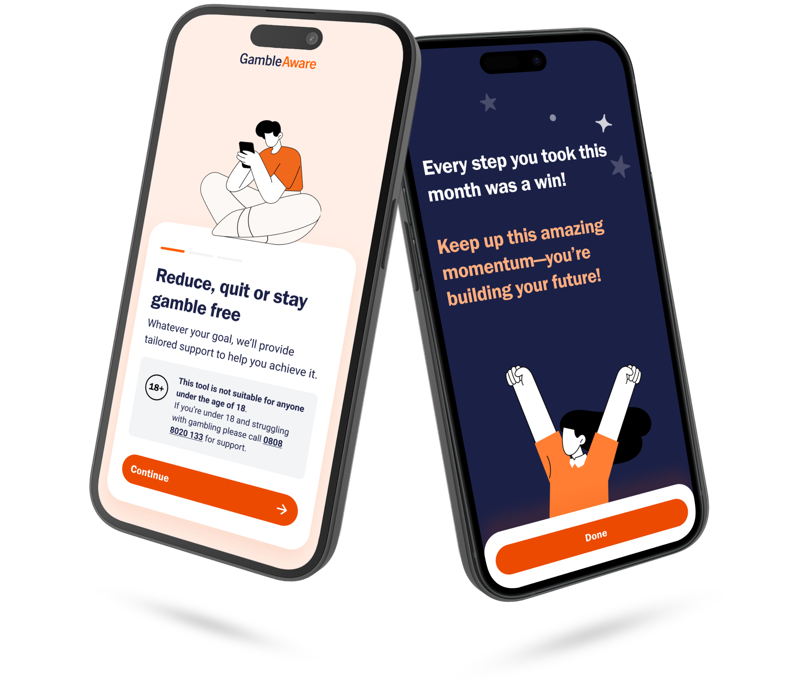
One of the foundational elements in player care is responsible gambling tools. These tools are integrated into the architecture to allow players to set limits on deposits, wagers, and time spent on the platform. By embedding these controls directly into the user interface, platforms make it easy for players to exercise self-regulation. Beyond user-initiated limits, advanced platforms deploy real-time monitoring algorithms that identify patterns of potentially risky behavior. These algorithms can trigger automatic alerts or suggestions to encourage breaks, providing a subtle but powerful form of intervention without disrupting the gaming experience. The sophistication of these systems is increasingly informed by behavioral analytics, allowing operators to balance safety with engagement.
Communication channels form another critical layer of player care. Modern gambling architectures include multiple avenues for players to seek help or clarification. Live chat, email support, and in-app messaging are supplemented by AI-driven assistants capable of providing immediate guidance. These systems are designed not merely to resolve technical issues but to address concerns around gameplay, fairness, and personal risk. The immediacy and accessibility of support are crucial, as delays or unresponsive channels can exacerbate stress and dissatisfaction, potentially contributing to problematic behaviors. Well-structured communication pathways also enable platforms to proactively reach out to players who exhibit signs of distress, reinforcing the sense of care and oversight.
Educational resources are embedded into many platforms as a preventive component of player care. Tutorials, responsible gambling guides, and interactive simulations help users understand not only the mechanics of games but the statistical realities and potential risks associated with prolonged play. These resources are often integrated contextually, appearing at moments where players might benefit most, such as during prolonged sessions or when they are near their self-imposed limits. By providing clear and accessible information, gambling architectures reduce the likelihood of misconceptions and impulsive decisions, thereby fostering more sustainable engagement patterns.
Another dimension involves personalized interventions based on player behavior analytics. Platforms collect extensive data on user interactions, including betting frequency, wager sizes, game types, and session lengths. This data is anonymized and analyzed to detect trends indicative of potential harm. When thresholds are crossed, systems can offer customized suggestions, ranging from temporary account suspensions to targeted educational content. This tailored approach respects the diversity of players’ needs and risk profiles, recognizing that a one-size-fits-all model is insufficient. By making interventions context-sensitive and user-centric, platforms maintain a balance between care and autonomy.
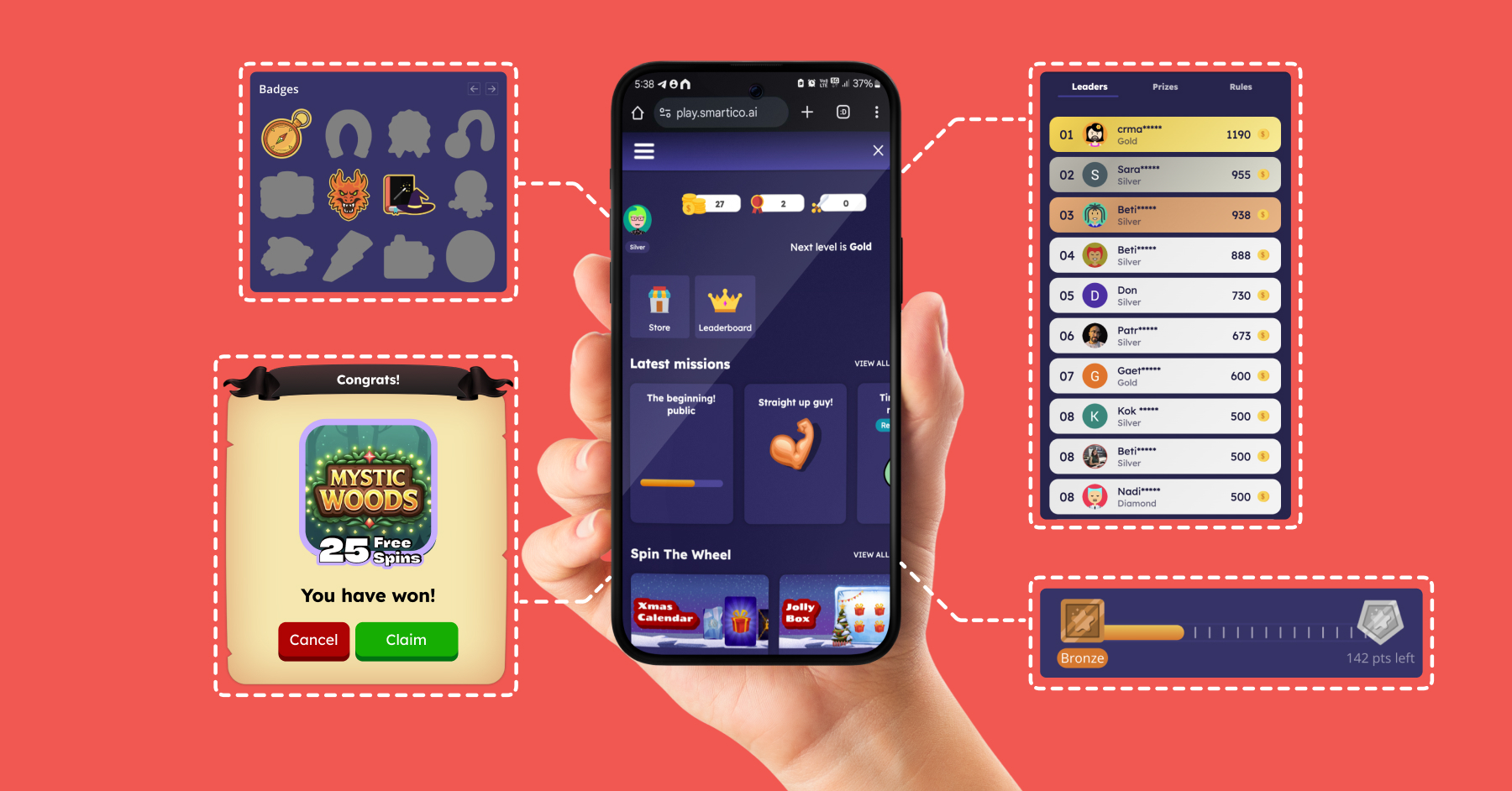
Gamification techniques themselves are sometimes leveraged to support player care. Reward systems, progress tracking, and achievement markers can be structured to promote healthy play patterns. For instance, bonuses or incentives might be contingent on adherence to time limits or the completion of responsible gambling modules. Such mechanisms subtly reinforce positive behaviors without undermining the enjoyment of play. The integration of these features within the platform’s architecture exemplifies how user experience design and ethical considerations can be aligned seamlessly.
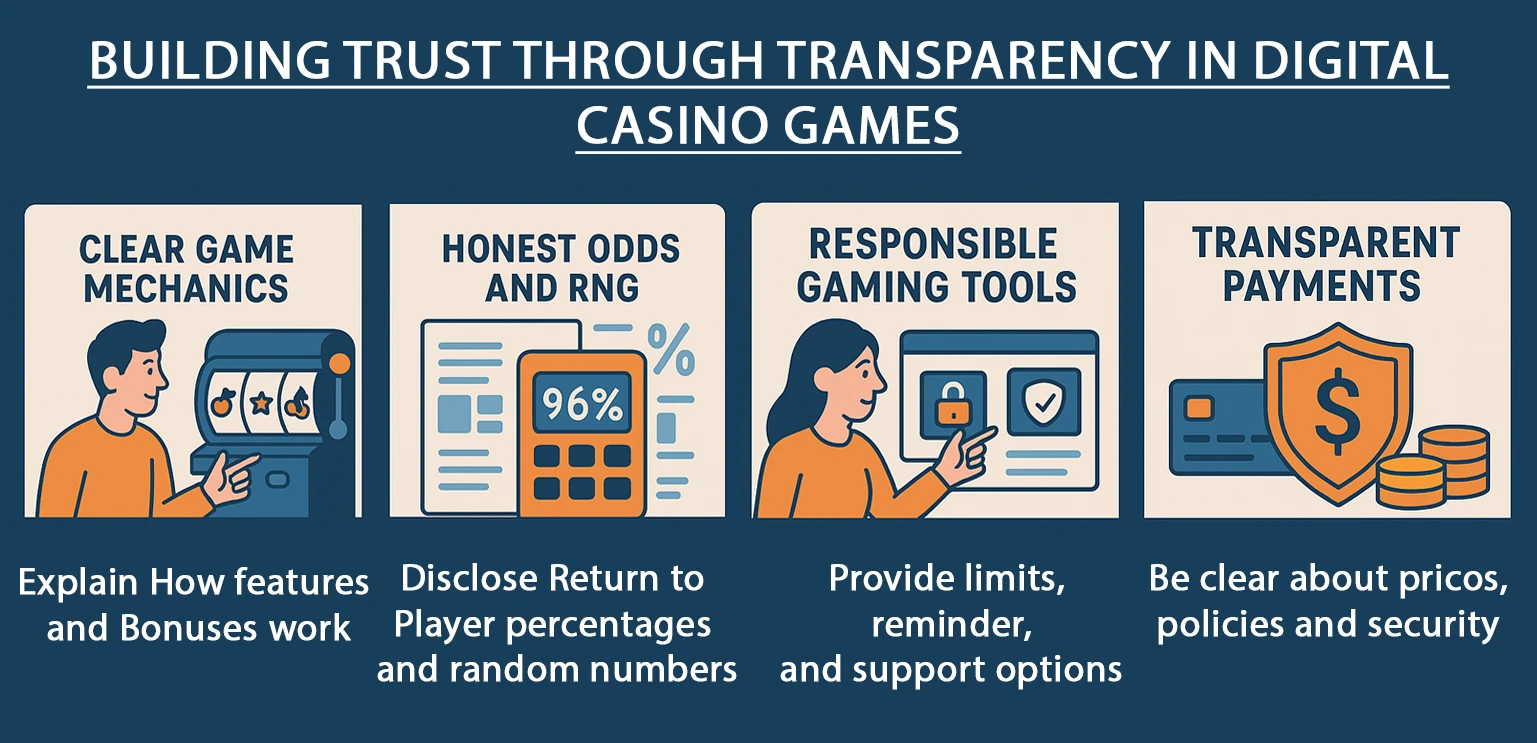
Transparency and fairness are also integral to player care mechanisms. Clear disclosure of odds, payout structures, and algorithmic processes ensures that players make informed decisions. Random number generators and auditing protocols are communicated openly, often through accessible dashboards, which reduce uncertainty and build trust. In environments where trust is foundational, perceived fairness directly affects user satisfaction and long-term loyalty. Architectural design that embeds transparency features alongside gameplay strengthens the overall ecosystem, demonstrating a commitment to ethical standards.
Behavioral nudges are increasingly employed as part of responsible architecture. Subtle reminders to pause, visual indicators of elapsed time, and confirmation prompts for large bets are designed to interrupt potentially harmful patterns. These nudges operate within the cognitive frameworks of players, gently steering behavior without overtly restricting freedom. The science behind these interventions draws from psychology and behavioral economics, highlighting the importance of evidence-based design in responsible gambling infrastructures.
Integration with external support systems enhances the efficacy of in-platform care. Links to counseling services, self-exclusion programs, and regulatory hotlines provide players with additional safety nets. This interoperability ensures that the platform does not operate in isolation but as part of a broader support ecosystem. Players benefit from multiple layers of intervention and guidance, reinforcing the notion that the platform prioritizes their well-being beyond the confines of immediate play.
Finally, continuous feedback loops are crucial to evolving player care mechanisms. Data collected from interventions, user interactions, and support requests informs iterative improvements in architecture. This adaptive design approach ensures that care strategies remain relevant, effective, and aligned with emerging trends in player behavior. By embedding a culture of feedback and responsiveness, gambling platforms can maintain a dynamic equilibrium between engagement, satisfaction, and safety.
In summary, player care mechanisms are no longer optional add-ons but central components of contemporary gambling architecture. They encompass responsible gaming tools, accessible communication channels, educational resources, personalized interventions, gamification strategies, transparency measures, behavioral nudges, external support integration, and continuous feedback systems. Collectively, these elements create a holistic ecosystem where players are supported, risks are mitigated, and ethical standards are upheld. The thoughtful incorporation of care mechanisms not only safeguards individuals but also strengthens the credibility, sustainability, and resilience of the platform, reflecting an evolution in gambling design that places human well-being at the forefront.




Leave a Reply