
Future anchoring in betting behavior is a psychological strategy deeply embedded in the way gamblers anticipate outcomes and make decisions. It operates on the principle that individuals tend to project future scenarios into their present choices, often using imagined or desired outcomes as a guide for current action. This cognitive mechanism can shape not only the frequency of betting but also the intensity, type, and risk profile of wagers. By anchoring on prospective events, players create mental reference points that influence their perception of value, probability, and potential reward.
At the core of future anchoring is the interplay between expectation and experience. Bettors frequently visualize the satisfaction or regret associated with a potential win or loss before placing a bet. This mental simulation functions as an internal guide, subtly influencing decisions. For example, imagining a celebratory scenario after a successful bet can increase a person’s willingness to place larger stakes, whereas anticipating disappointment might encourage more conservative behavior. These imagined futures effectively anchor the bettor’s decision-making process, making certain outcomes feel more salient and emotionally weighted than others.
The reinforcement of future anchoring occurs through repeated experiences. Positive reinforcement happens when a bet aligns with the projected outcome, validating the mental anchor. Conversely, when outcomes deviate from expectations, the anchor may be recalibrated, but the process still leaves a lasting imprint on cognitive patterns. This cycle contributes to a dynamic, evolving framework in which past outcomes and future projections continually interact, shaping betting habits over time. The strength of these anchors can vary widely among individuals, influenced by personality traits, risk tolerance, and prior gambling history.
Neurologically, future anchoring engages regions associated with reward anticipation and decision-making, such as the prefrontal cortex and ventral striatum. These areas process both the anticipated pleasure of a successful outcome and the avoidance of negative consequences. Dopaminergic pathways are particularly involved, reinforcing behaviors that align with desired future states. This neurological underpinning explains why bettors often make choices that seem irrational in the present but are consistent with their internal projections of future reward.
In practice, betting platforms and casinos exploit future anchoring patterns to guide player behavior. Game design elements such as visible progress toward a jackpot, countdown timers, or tiered reward systems leverage the anticipation of future outcomes to increase engagement. By presenting a clear pathway toward a desirable future state, these systems strengthen cognitive anchors and encourage sustained interaction. Players are subtly nudged to maintain engagement, place more frequent bets, or increase stake levels, as the mental visualization of future gain becomes a powerful motivator.
Future anchoring also interacts with social and environmental cues. Observing other bettors’ successes or receiving tips and forecasts can create shared anchors, influencing collective betting behavior. Social media, online forums, and in-app leaderboards amplify these effects by providing constant feedback loops, reinforcing anticipated outcomes with social validation. When a community collectively projects success onto a particular event or strategy, individual bettors may anchor their behavior on these shared expectations, often increasing risk-taking or conforming to trends that align with the perceived future.
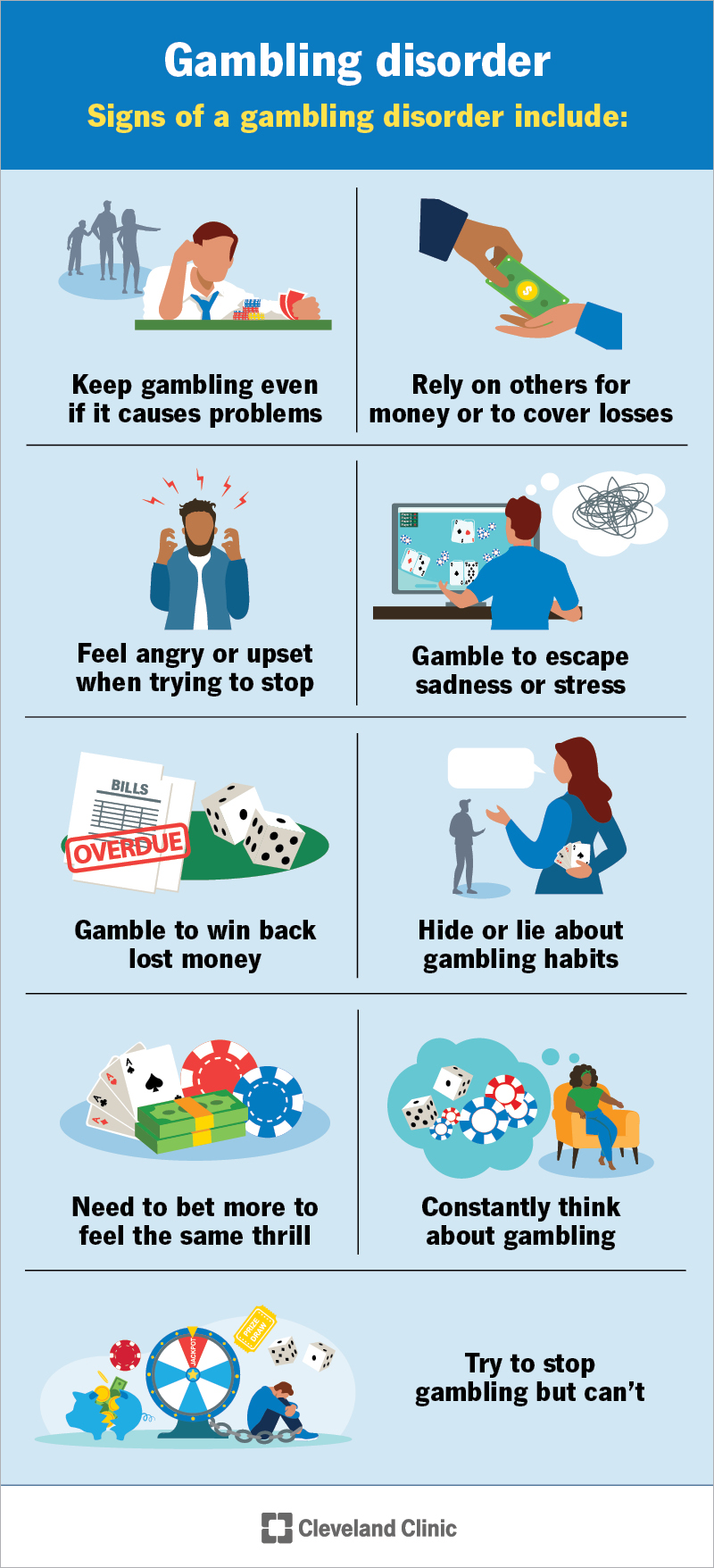
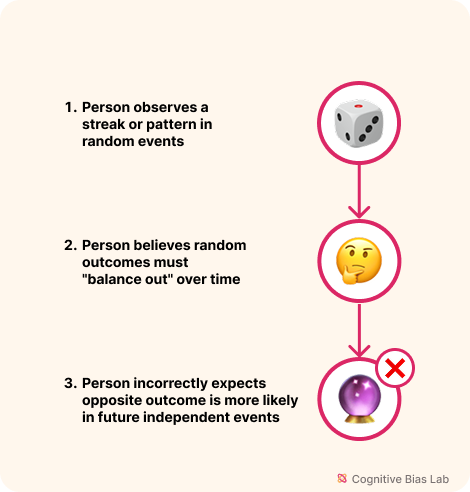
However, reliance on future anchoring can also contribute to cognitive biases and suboptimal decision-making. Overestimating the likelihood of a positive outcome, discounting potential losses, or becoming fixated on improbable scenarios can distort judgment. This can lead to excessive betting, chasing losses, or misjudging probability. Awareness of these cognitive tendencies is essential for both players aiming for responsible gambling and for designers creating systems that support sustainable engagement without exploiting psychological vulnerabilities.
Educational interventions and behavioral nudges can mitigate the risks associated with future anchoring. By encouraging bettors to critically assess the likelihood of various outcomes, reflect on past experiences, and consider probabilistic thinking, these strategies help recalibrate mental anchors. Visualization exercises can be structured to include both potential gains and losses, promoting a more balanced perspective. Similarly, real-time feedback on betting patterns, risk levels, and cumulative outcomes can help players anchor on realistic expectations, reducing impulsive or emotionally driven wagers.
Research into future anchoring also intersects with broader studies of temporal discounting, expectation management, and habit formation. Understanding how individuals project and respond to anticipated rewards provides insights into motivation, risk assessment, and the psychology of decision-making. In gambling contexts, these insights can inform the design of interventions that encourage responsible play while respecting the inherent attraction of anticipation and excitement. The nuanced interplay between cognitive projection, emotional response, and behavioral reinforcement underscores the complexity of betting behavior and the role of future-oriented thinking in shaping it.
Ultimately, future anchoring patterns reflect the human tendency to connect present actions with imagined futures, weaving together hope, desire, and expectation into decision-making processes. In betting, this manifests in a heightened sensitivity to potential outcomes, a tendency to assign emotional weight to hypothetical scenarios, and the creation of enduring cognitive reference points that guide behavior over time. Recognizing and understanding these patterns not only elucidates why bettors make certain choices but also provides pathways for promoting healthier, more informed engagement with gambling activities. By examining how future-oriented cognition shapes risk-taking, reward anticipation, and habit formation, stakeholders can better balance the allure of betting with safeguards that protect cognitive and emotional well-being.





Leave a Reply