
In the evolving landscape of digital betting platforms, the structuring of knowledge layers has become a pivotal factor in shaping user experiences, enhancing engagement, and driving retention. Knowledge layer structuring refers to the deliberate organization of information within a product so that users can access insights, rules, and context efficiently, without feeling overwhelmed. This approach transforms raw data into actionable understanding, ensuring that both casual and advanced users can navigate complex betting ecosystems with confidence. By strategically layering knowledge, platforms can guide users toward making informed decisions, optimizing their engagement while mitigating the cognitive load associated with complex betting environments.
A primary consideration in knowledge layer structuring is the balance between transparency and usability. Platforms must decide how much information to present at any given moment, and how to contextualize it so that users can quickly comprehend its relevance. Too much information at once can lead to confusion, frustration, and ultimately disengagement, whereas overly simplistic layers may leave users feeling uninformed or distrustful. Effective structuring employs a modular approach, breaking down complex concepts into digestible segments, and allowing users to drill down as needed. Each layer acts as a scaffold, providing foundational knowledge first and gradually revealing more detailed insights, thereby supporting users in building a mental model of the platform’s functionality and offerings.
The design of these layers also involves anticipating user needs based on behavior patterns. For instance, new users may require more guidance on betting mechanics, odds interpretation, and risk assessment. In contrast, experienced users may seek advanced statistics, historical performance trends, and algorithmic predictions. By segmenting knowledge delivery according to user experience and preferences, platforms can maintain relevance while preventing information overload. This personalized layering fosters a sense of competence and control, essential elements in encouraging repeated engagement and loyalty within competitive betting markets.
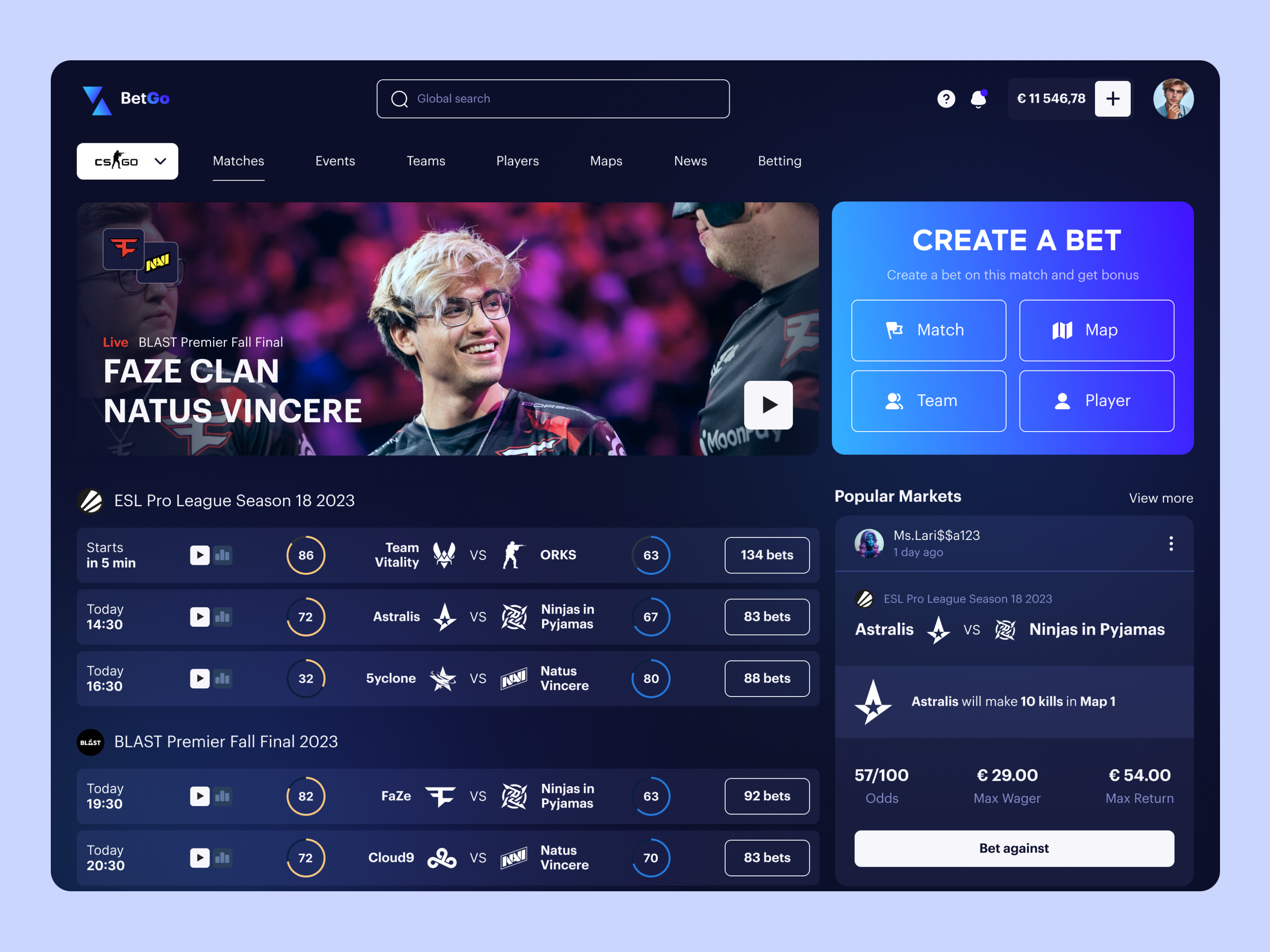
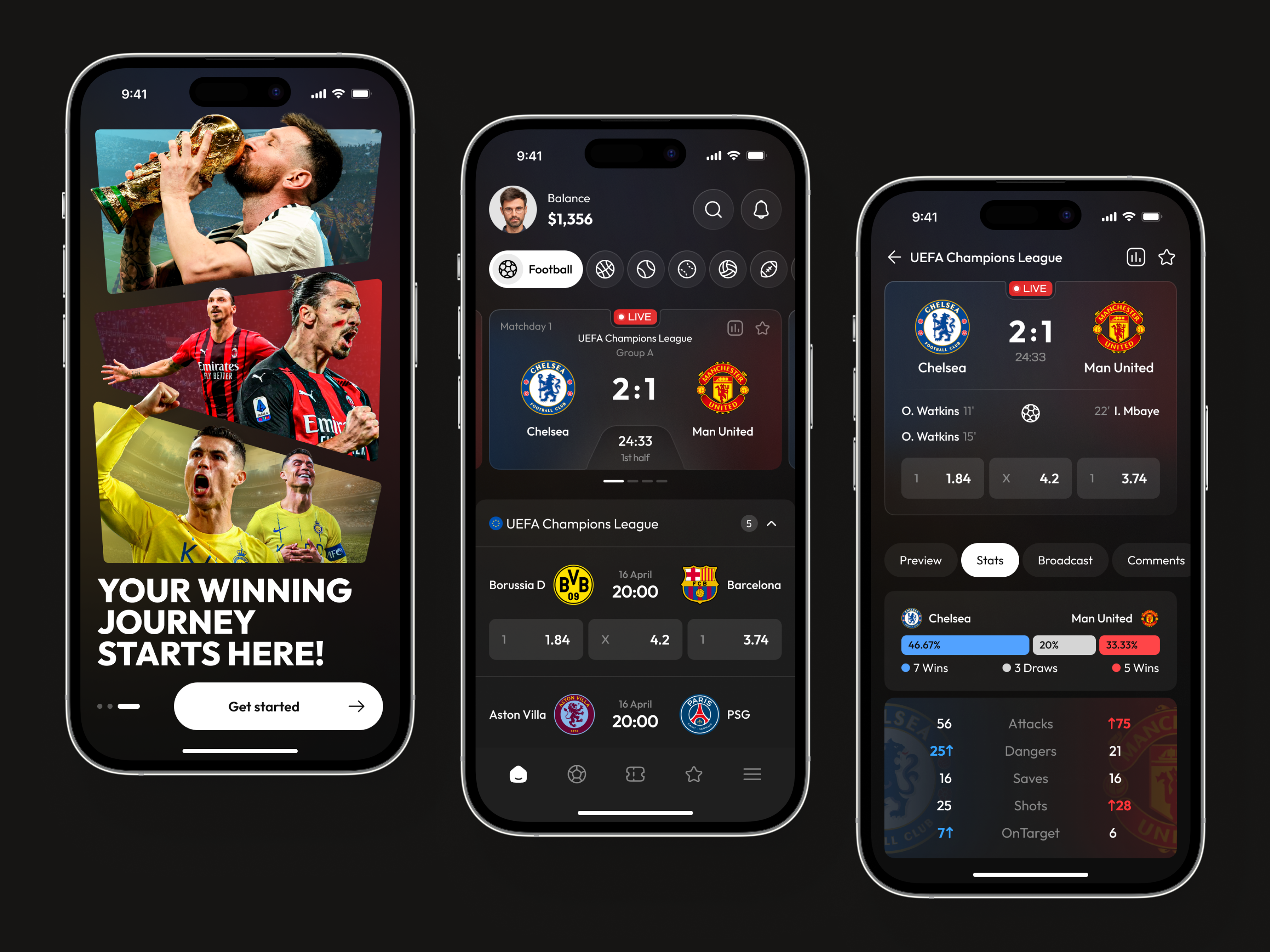
Cognitive psychology principles play a central role in the effective structuring of knowledge layers. Chunking, for example, is a technique where information is grouped into meaningful units to enhance comprehension and memory retention. Betting platforms can implement chunking by categorizing information into distinct areas, such as game rules, wagering options, payout structures, and promotional details. Each of these areas can be further divided into sub-layers, allowing users to access granular details without disrupting the overall flow of the interface. Similarly, progressive disclosure ensures that users are exposed to information gradually, revealing complexity only as users demonstrate readiness to engage with deeper content. This method aligns with natural learning processes, making the platform intuitive and reducing cognitive strain.
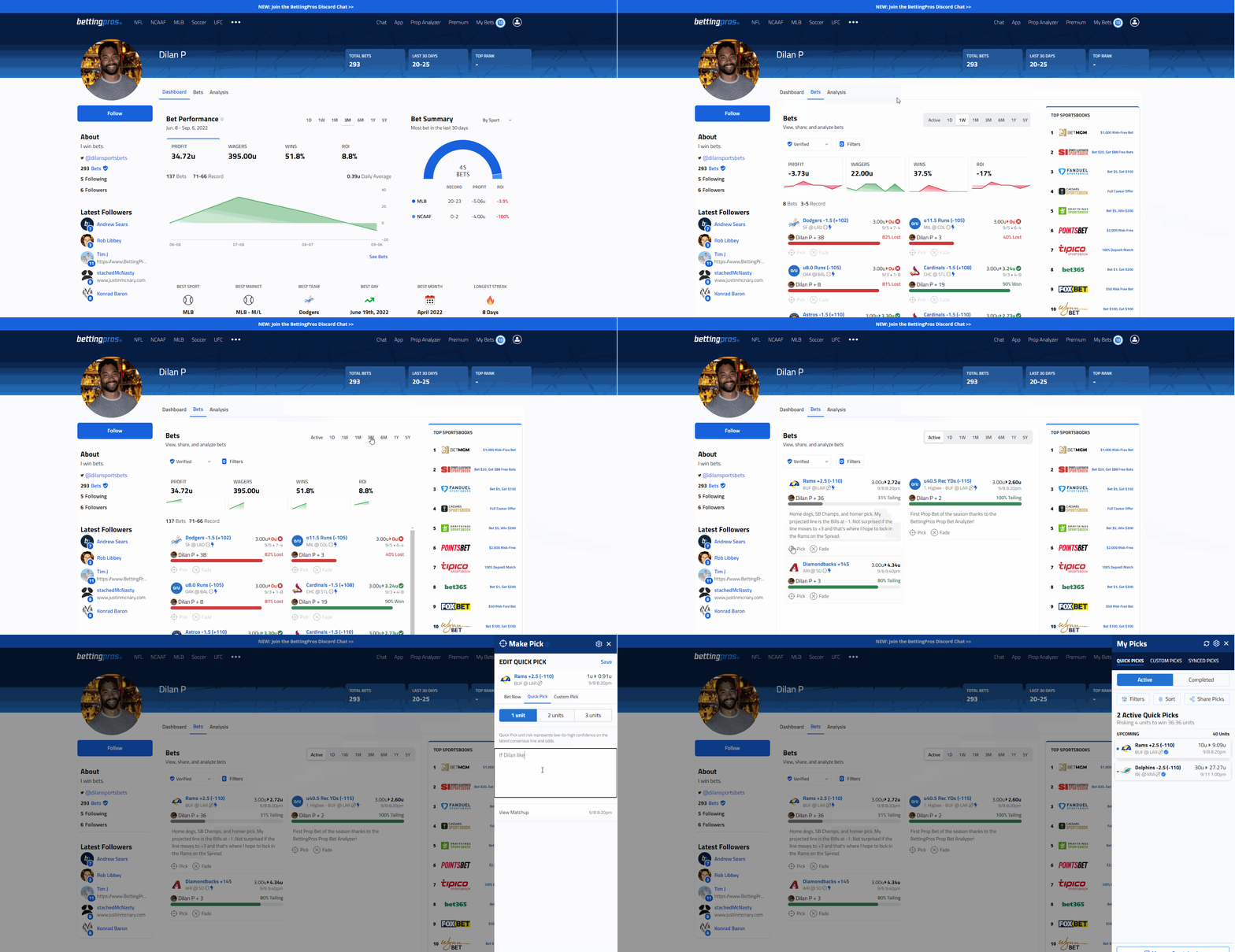
Interactivity is another crucial component. Static text and charts are insufficient in modern digital betting interfaces where users expect dynamic, responsive insights. Interactive dashboards, tooltips, and context-sensitive explanations can bring knowledge layers to life, allowing users to manipulate data, explore outcomes, and visualize scenarios before placing bets. By integrating real-time feedback mechanisms, platforms can also reinforce learning and understanding. For example, predictive simulations that show potential outcomes based on user choices help bridge the gap between abstract knowledge and practical application, encouraging users to make strategic decisions rather than relying solely on intuition or chance.
A well-structured knowledge layer also reinforces trust and perceived fairness. In betting, transparency is paramount. When users understand how odds are calculated, how payouts are determined, and how data informs platform recommendations, they are more likely to perceive the system as reliable and equitable. Knowledge layers that clearly communicate these processes reduce suspicion and foster a sense of accountability. Additionally, layering contextual insights, such as historical performance metrics or peer comparisons, helps users evaluate risk with confidence, promoting a more engaged and informed user base.
Data analytics can enhance knowledge layer structuring by informing which elements require emphasis and how users interact with different layers. Platforms can track patterns such as click-through rates, dwell times, and repeated interactions to identify areas where users struggle or disengage. Insights derived from this behavioral data enable continuous refinement of knowledge layers, ensuring that information remains accessible, relevant, and aligned with evolving user expectations. Iterative optimization also allows platforms to maintain consistency across devices, ensuring that knowledge structures function seamlessly whether accessed via mobile, desktop, or tablet, which is increasingly critical in omnichannel betting ecosystems.
Integration with community and social elements further strengthens the utility of structured knowledge layers. Forums, in-app guides, and expert commentary can be linked contextually to relevant layers, providing users with peer perspectives and experiential insights. This multi-source layering enriches user understanding and promotes social proof, enhancing confidence in decision-making processes. Knowledge layers thus extend beyond static content, becoming an adaptive, evolving interface that combines data, social cues, and instructional scaffolding.
From a design perspective, visual hierarchy and information architecture are key enablers. Strategic use of typography, spacing, icons, and color coding can signal the relative importance of different knowledge layers, guiding attention effectively. Cognitive load theory suggests that well-organized visual structures reduce mental effort and increase comprehension, making it easier for users to locate critical information and understand complex betting mechanics. Furthermore, consistent layout and navigation patterns across layers create familiarity, allowing users to predict where information resides and how to interact with it, which fosters confidence and accelerates mastery of the platform.
Finally, knowledge layer structuring supports long-term engagement by facilitating learning over time. As users progress from novices to advanced participants, the platform can gradually introduce sophisticated strategies, statistical models, and decision-support tools. This progression encourages skill development and creates a sense of accomplishment, increasing retention and lifetime value. Platforms that successfully implement layered knowledge not only enhance immediate usability but also cultivate informed, confident users who are more likely to remain loyal and active over extended periods.
In conclusion, knowledge layer structuring is a critical design strategy in digital betting products, enabling platforms to transform complex information into comprehensible, actionable insights. By balancing transparency with usability, leveraging cognitive principles, integrating interactivity, and continuously refining based on user behavior, platforms can create a compelling, intuitive, and trustworthy experience. Structured knowledge layers enhance decision-making, reinforce confidence, and support sustained engagement, ultimately positioning the platform as a reliable and user-centered ecosystem in the competitive landscape of digital betting.





Leave a Reply