
Operational readiness for peak load is a critical consideration in modern system design, especially in environments where demand fluctuates sharply and unpredictably. At its core, operational readiness involves ensuring that all components of a system—technical, human, and procedural—are prepared to handle maximum expected loads without degradation in performance, reliability, or user experience. Effective readiness planning requires a multi-dimensional approach, integrating infrastructure resilience, software scalability, process efficiency, and human operational capacity.
The first aspect of operational readiness is understanding the patterns and characteristics of peak loads. This begins with comprehensive monitoring and analysis of historical data, which helps identify periods of high activity and their triggers. By mapping user behavior, transaction surges, or seasonal spikes, organizations can anticipate stress points and preemptively implement strategies to mitigate risks. Predictive analytics can enhance this process by providing probabilistic forecasts, enabling teams to allocate resources more efficiently before peak events occur. Understanding load patterns also informs capacity planning, allowing systems to scale horizontally or vertically depending on the anticipated intensity of demand.
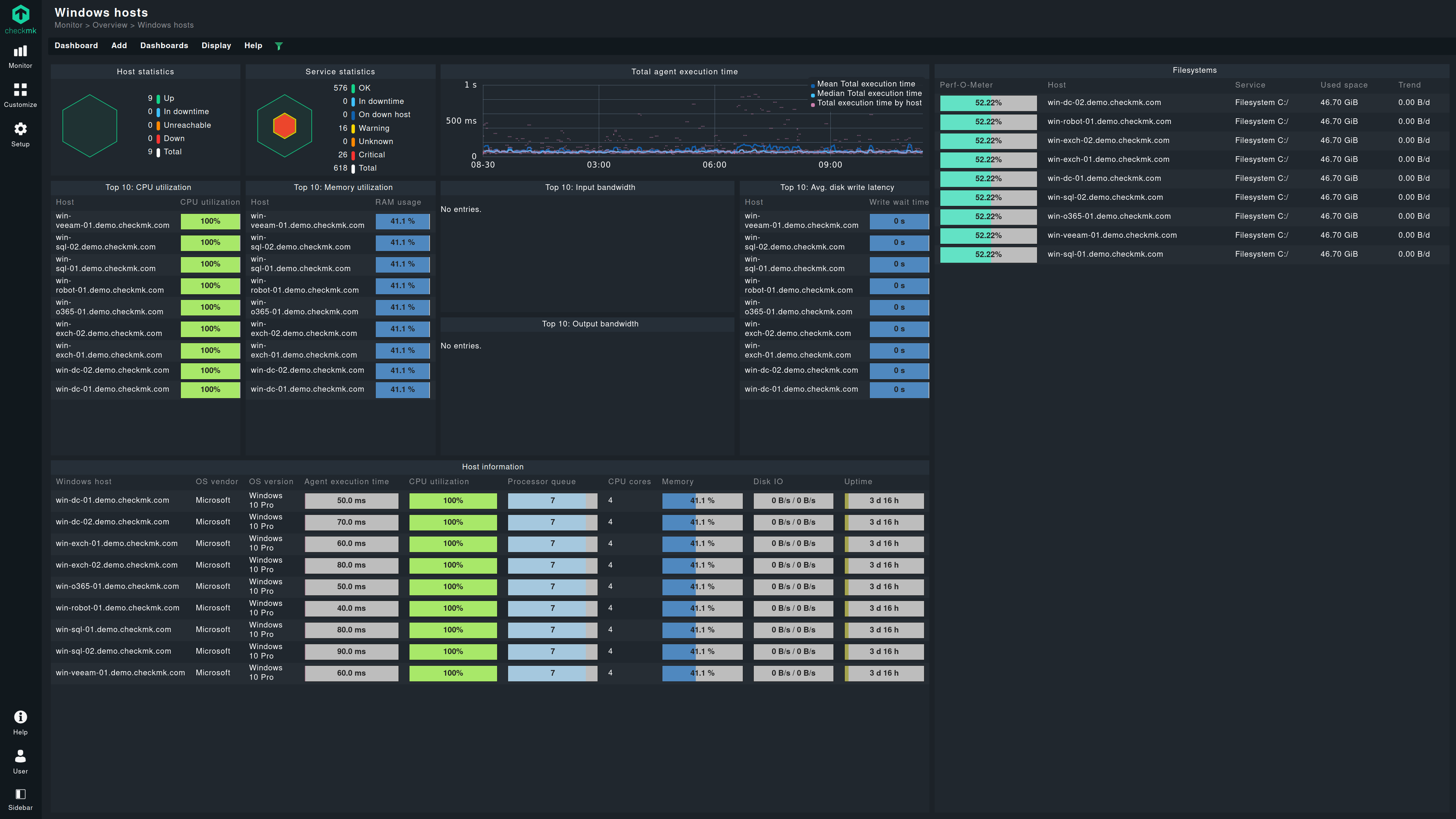
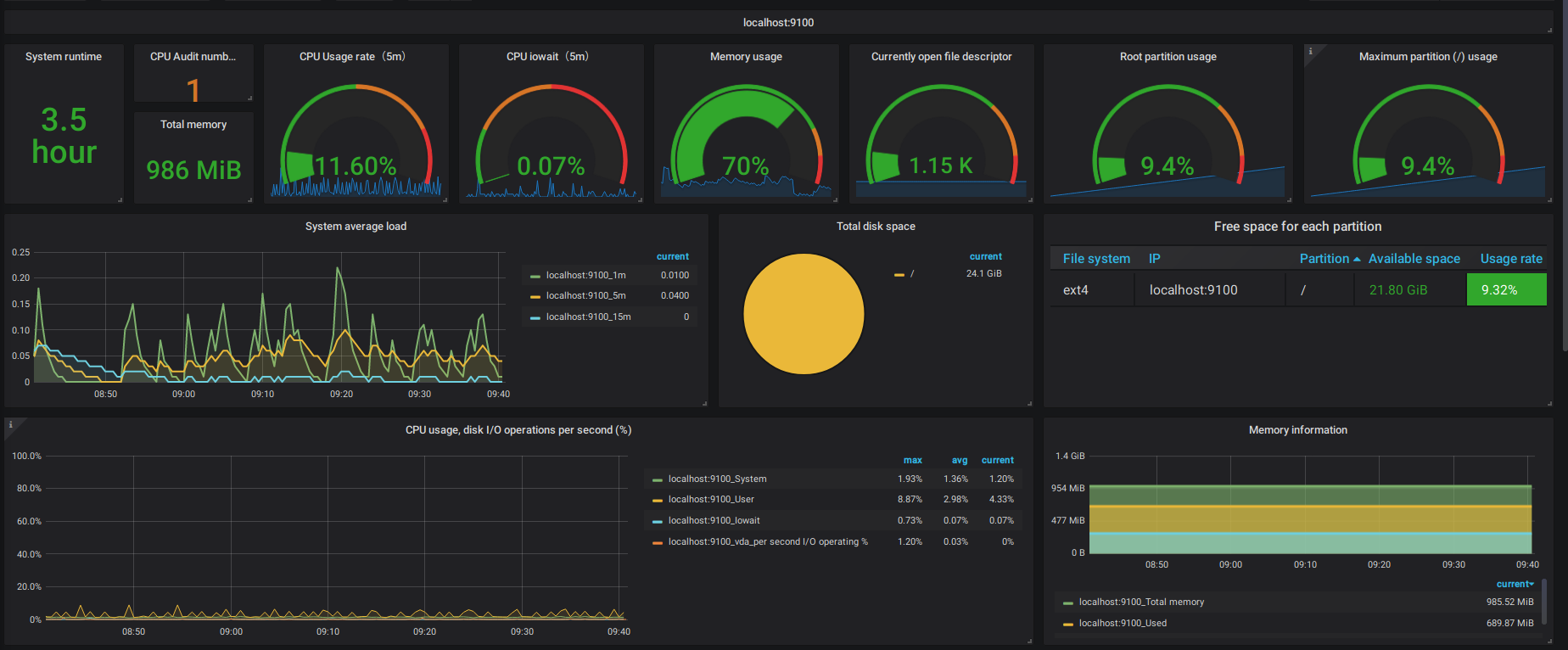
Infrastructure resilience is another foundational pillar of readiness. Redundancy, failover mechanisms, and distributed architectures are essential to prevent single points of failure. For instance, deploying load balancers across multiple servers ensures that no individual node becomes overwhelmed during a surge. Cloud-based solutions further enhance flexibility, offering on-demand resources that can be scaled up rapidly in response to peak loads. Equally important is ensuring that network bandwidth, storage, and database resources can sustain high throughput, minimizing bottlenecks and latency. In addition to physical and virtual resources, robust monitoring tools must be in place to provide real-time insights into system health, alerting teams to potential issues before they escalate.
Software scalability is a complementary focus area. Applications must be designed to handle variable workloads without sacrificing stability or speed. Techniques such as microservices architectures, asynchronous processing, and queue management enable systems to distribute processing efficiently, preventing individual components from becoming chokepoints. Caching frequently accessed data can significantly reduce load on primary databases, while rate-limiting and prioritization policies ensure that critical operations maintain performance under stress. Continuous performance testing, including stress and load testing, is essential to identify vulnerabilities and optimize resource allocation before peak events. Additionally, adopting modular and loosely coupled systems allows for incremental upgrades and rapid problem isolation, reducing downtime and maintaining operational continuity.
Human factors are equally vital in peak load readiness. Even the most resilient infrastructure can fail if personnel are not adequately trained or prepared to respond to unexpected challenges. Operational teams must be familiar with escalation protocols, system dependencies, and contingency plans. Regular drills and simulations help reinforce preparedness, enabling staff to act swiftly and accurately during real events. Communication channels must remain clear and accessible, ensuring coordination between technical teams, customer support, and leadership. Establishing clear responsibilities and decision-making hierarchies reduces confusion and accelerates response times, minimizing the impact of high-demand periods.
Procedural efficiency is another dimension of operational readiness. Well-documented processes for deployment, monitoring, and incident response reduce the likelihood of errors under pressure. Automation plays a key role here, from automated scaling of resources to scripted failover procedures and self-healing mechanisms. Automation not only accelerates response times but also reduces reliance on manual intervention, which can be prone to delays and inconsistencies. In addition, robust change management protocols ensure that modifications to the system do not introduce vulnerabilities, particularly during critical load periods. Proactive maintenance, including patch management and capacity reviews, further strengthens resilience and prevents avoidable outages.
Security considerations must also be integrated into operational readiness planning. High load periods can create opportunities for malicious actors, and systems must maintain protective measures even under stress. Distributed denial-of-service mitigation, intrusion detection, and access control mechanisms are essential to prevent disruptions that could compound peak load challenges. Secure logging and audit trails allow teams to monitor activity and respond quickly to anomalies, ensuring that operational integrity is preserved throughout periods of high demand.
A culture of continuous improvement underpins effective peak load readiness. Post-event analysis of system performance, user feedback, and incident response outcomes provides valuable insights that can inform future strategies. Learning from both successes and failures allows organizations to refine their architectures, processes, and training, enhancing resilience over time. By fostering cross-functional collaboration between engineering, operations, and management, organizations can develop holistic readiness strategies that balance technical capability with operational practicality.
Ultimately, operational readiness for peak load is not a single activity but an ongoing discipline. It combines rigorous planning, adaptive infrastructure, scalable software design, well-trained personnel, and streamlined procedures to create systems capable of sustaining performance under extreme conditions. Organizations that prioritize readiness are better positioned to maintain service continuity, protect user experience, and leverage high-demand periods for growth, turning potential stress points into opportunities for operational excellence. Continuous monitoring, predictive analytics, and iterative improvement ensure that readiness evolves alongside changing patterns of demand, creating resilient, responsive, and reliable systems that perform consistently even at the limits of capacity.


Leave a Reply