
In the complex landscape of modern digital platforms, trust is one of the most critical assets a company can cultivate. Central to building and maintaining this trust is the assurance of data consistency, which ensures that the information presented across various touchpoints, databases, and user interfaces is accurate, reliable, and up-to-date. Data inconsistency can lead to user frustration, incorrect decision-making, and ultimately, a diminished perception of the platform’s credibility. For organizations that operate in high-stakes environments such as financial services, healthcare, or online marketplaces, the importance of consistent data cannot be overstated, as even minor discrepancies can have far-reaching consequences.
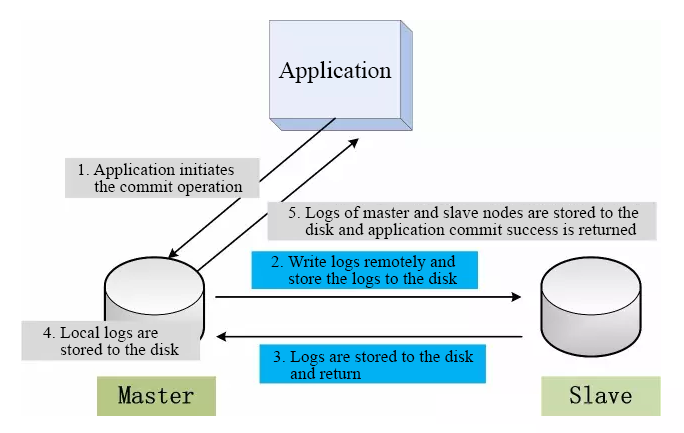
Data consistency assurance involves a multi-layered approach that combines technological solutions, process governance, and human oversight. At the foundational level, data architecture must be designed to support synchronization across all nodes of a system. This often requires the implementation of distributed databases that utilize protocols ensuring eventual or strong consistency, depending on the use case. Strong consistency guarantees that once data is updated, all subsequent reads reflect the latest state, while eventual consistency allows for temporary divergence with the expectation that data will converge over time. The choice between these approaches must balance system performance with the criticality of accurate information, as platforms catering to financial transactions or real-time analytics typically prioritize strong consistency.
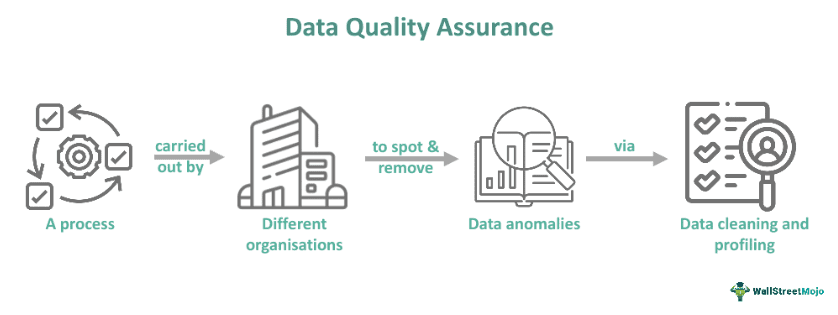
Beyond architecture, automated validation mechanisms play a crucial role in safeguarding data integrity. These mechanisms include real-time monitoring of data flows, schema validation, and anomaly detection. Real-time monitoring ensures that any discrepancies between data sources are immediately flagged for review, while schema validation prevents incorrect or malformed data from entering the system. Anomaly detection algorithms, often powered by machine learning, can identify unusual patterns or outliers that may indicate errors, such as unexpected spikes in transaction volumes or discrepancies between user profiles and activity logs. By integrating these automated tools, platforms can reduce the likelihood of errors propagating and eroding user trust.
Equally important is the establishment of clear data governance policies. Governance encompasses rules and procedures that define how data is collected, processed, stored, and accessed. These policies should be comprehensive, covering aspects such as data ownership, version control, access permissions, and auditing processes. By enforcing strict governance, organizations can ensure that data changes are tracked and reversible, providing accountability and transparency to both internal stakeholders and external users. Version control systems, in particular, allow platforms to maintain historical records of data changes, which is critical for resolving disputes, conducting audits, and performing compliance reporting.
Human oversight complements automated systems and governance policies by providing judgment and context that machines alone cannot offer. Data stewards or quality assurance teams are often tasked with reviewing flagged anomalies, conducting periodic audits, and coordinating cross-functional responses to data inconsistencies. This human layer ensures that nuanced situations, such as conflicting user inputs or legacy system migrations, are handled appropriately and with an understanding of the broader business context. The collaboration between technology and human oversight creates a resilient system that minimizes errors while maintaining operational efficiency.
Integration between systems is another pivotal element of data consistency assurance. Modern platforms often consist of multiple interconnected services, including cloud databases, third-party APIs, and microservices. Data synchronization across these components requires robust communication protocols, transactional guarantees, and error-handling mechanisms. For instance, using atomic transactions ensures that a sequence of operations either fully completes or fails without leaving partial updates, preventing inconsistent states. Additionally, message queues and event-driven architectures can facilitate real-time propagation of updates, allowing disparate systems to maintain a unified view of the data without compromising performance.
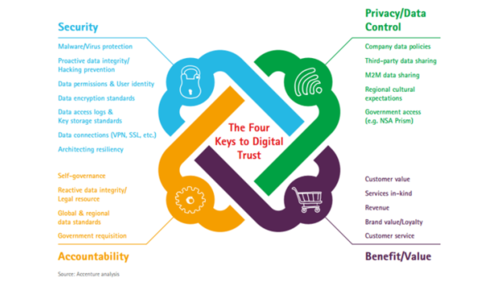
Security measures are closely tied to data consistency as well. Unauthorized modifications, data corruption, or breaches can all result in inconsistent or unreliable information. Implementing encryption, access controls, and audit trails not only protects data from external threats but also reinforces the confidence users have in the platform’s integrity. When users are assured that their information is safe and consistently represented, trust naturally strengthens, which is essential for long-term engagement and retention.
User experience design also benefits from consistent data. When users encounter predictable, accurate information, they can make informed decisions and interact with the platform more effectively. In contrast, inconsistencies—such as mismatched account balances, conflicting notifications, or delayed updates—create confusion and frustration. By prioritizing data consistency at the interface level, platforms can deliver seamless interactions, reinforcing trust and satisfaction. Features like synchronized dashboards, real-time updates, and error-resistant forms contribute to a cohesive experience that signals reliability and professionalism.
Finally, continuous improvement practices such as feedback loops and iterative testing help maintain data consistency over time. Platforms should regularly assess the effectiveness of their consistency mechanisms, gather insights from user reports, and refine processes to address emerging challenges. This proactive approach ensures that as systems scale, evolve, or integrate new technologies, the integrity of data remains intact, safeguarding the foundation of trust that underpins the platform’s reputation.
In conclusion, data consistency assurance is a multifaceted endeavor that encompasses system design, automation, governance, human oversight, security, and user experience considerations. By embedding these practices into every layer of platform operations, organizations can cultivate and sustain trust, enhance user confidence, and ultimately differentiate themselves in competitive digital markets. Consistent, reliable data is not merely a technical requirement; it is a strategic asset that reinforces credibility, supports informed decision-making, and drives long-term engagement. Platforms that invest in comprehensive data consistency assurance are better positioned to withstand operational challenges, maintain regulatory compliance, and foster enduring relationships with users, creating a virtuous cycle of trust and loyalty that fuels growth and resilience.





Leave a Reply