
In digital gambling platforms, security is a foundational element that deeply influences user experience. While users may often focus on graphics, bonuses, and game mechanics, the subtle cues related to security confirmation can profoundly affect trust, engagement, and long-term retention. Security confirmation patterns are the systematic methods and interface designs that signal to users that their personal data, transactions, and gameplay are protected. These patterns function not only as technical safeguards but as psychological reinforcements, shaping perception and behavior across the user journey.
One of the most immediate forms of security confirmation is during account creation and login processes. Multi-factor authentication (MFA) exemplifies this approach by requiring users to confirm their identity through multiple steps, such as a password and a one-time code sent to a registered device. While MFA is technically a security measure, its implementation carries UX implications. When executed seamlessly, users feel reassured without experiencing friction. The design of prompts, notifications, and confirmation messages needs to balance visibility and unobtrusiveness. Users should clearly understand that an additional layer of protection is in place, yet they should not feel burdened by it. The presence of clear visual cues—such as icons indicating secure connections, lock symbols, or highlighted verification prompts—can amplify the sense of safety without causing anxiety.
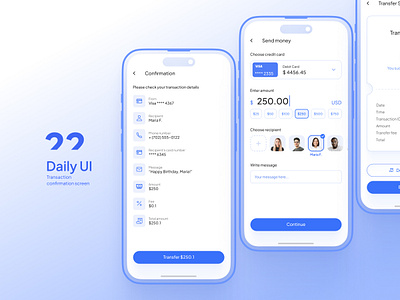
Beyond authentication, transactional confirmations play a crucial role in reinforcing security. In gambling contexts, where users frequently deposit, withdraw, or transfer funds, real-time feedback is essential. Instantaneous confirmation messages, alongside a summary of transaction details, serve to reassure users that their actions have been accurately processed and that no unauthorized changes have occurred. Patterns here often include modal dialogues, contextual notifications, and activity logs accessible within the platform. Each pattern serves a dual purpose: they provide immediate verification and allow users to retrospectively audit their activity, which strengthens their confidence in the platform’s reliability.
The language and tone of confirmation messages are another critical dimension. Users respond positively when messages convey certainty, clarity, and professionalism. For instance, instead of generic prompts like “Transaction completed,” a more nuanced message might read, “Your deposit of $50 has been securely processed. No further action is required.” This subtle enhancement communicates both the security of the operation and the platform’s attentiveness to user experience. Consistency across messages also matters; irregular terminology or conflicting phrasing can introduce doubt, undermining otherwise robust security measures. Consequently, UX designers often establish a language system where all security-related communications adhere to a standard set of terms, reinforcing familiarity and trust.
Visual design elements complement textual confirmation by creating a holistic sense of security. Color coding, iconography, and animation can guide attention and highlight verified actions. For instance, green is commonly associated with success and security, while animated checkmarks provide immediate positive reinforcement. Conversely, error states or security warnings often utilize contrasting colors like red or orange, which signal caution and prompt corrective action. By aligning visual cues with user expectations, platforms create intuitive experiences where security is understood at a glance, reducing cognitive load and potential user stress.
Moreover, subtle microinteractions contribute significantly to the perception of security. When users initiate sensitive actions such as password changes or large withdrawals, brief animated confirmations, haptic feedback on mobile devices, or progress indicators can communicate responsiveness and control. These microinteractions provide assurance that the system is actively processing the request and that nothing is left ambiguous. They serve as both confirmation and reassurance, enhancing users’ emotional comfort with the platform.
Contextual placement of security confirmations is also strategic. Placing verification prompts at decision points—like before finalizing a wager or confirming a withdrawal—ensures that users are aware of the security protocols when they matter most. Additionally, providing optional details, such as links to transaction logs or security policies, empowers users to explore and verify the system independently. This transparency transforms security from an abstract concept into a tangible, user-controlled feature, fostering autonomy and reinforcing trust.
Personalization further refines security confirmation patterns. Platforms that adapt confirmation messages based on user behavior, location, or transaction history can increase relevance and clarity. For example, a system might alert a user of an unusual login attempt with a message specifically referencing the device, time, or location. This tailored communication conveys both security awareness and attentiveness to the individual user, strengthening confidence without causing alarm or confusion.
Importantly, these patterns are interwoven with broader trust-building mechanisms in gambling UX. Users who consistently experience clear, reliable confirmations are more likely to perceive the platform as secure, even when they do not consciously engage with each security feature. Over time, this perception influences decision-making, risk tolerance, and engagement frequency. Platforms that neglect security confirmations risk not only immediate user frustration but long-term attrition due to eroded trust.
Finally, the evaluation and iteration of security confirmation patterns rely on both qualitative and quantitative insights. UX research, including usability testing, heatmaps, and user feedback, can reveal whether messages are noticed, understood, and appreciated. Metrics such as login success rates, transaction error rates, and support inquiries also inform design improvements. By continuously refining these patterns, platforms can ensure that security functions are not just effective technically but also psychologically reassuring.
In conclusion, security confirmation patterns in gambling UX extend far beyond backend protocols. They encompass authentication processes, transactional feedback, language and tone, visual and microinteraction design, contextual placement, personalization, and iterative evaluation. Each element contributes to a coherent, trustworthy experience where users feel their actions and data are protected. This careful orchestration transforms security from a behind-the-scenes requirement into an active, perceivable component of user satisfaction, engagement, and loyalty. By prioritizing these patterns, gambling platforms can establish enduring trust, fostering both safety and enjoyment in the digital betting environment.



Leave a Reply