
Expanding payment accessibility in digital platforms is no longer just a convenience—it has become a strategic necessity. Users today expect seamless and diverse options for completing transactions, and their satisfaction often hinges on the fluidity and inclusivity of these payment systems. Modern digital ecosystems are increasingly global, catering to users across multiple geographies, each with unique preferences, regulations, and infrastructural limitations. To accommodate this diversity, platforms must adopt multifaceted payment accessibility models that address both technological capability and user behavioral expectations.
At the heart of expanding payment accessibility lies the principle of inclusivity. Platforms must ensure that users from varied socioeconomic backgrounds can interact with the system without barriers. This requires not only providing a range of payment methods—credit and debit cards, mobile wallets, bank transfers, prepaid accounts, and emerging cryptocurrencies—but also accommodating users with limited access to traditional banking infrastructure. In many regions, a significant portion of the population may be underbanked, relying primarily on mobile money solutions or local community-based financial services. By integrating these alternative methods, platforms can extend their reach to previously underserved markets, transforming accessibility into both a competitive advantage and a social responsibility.
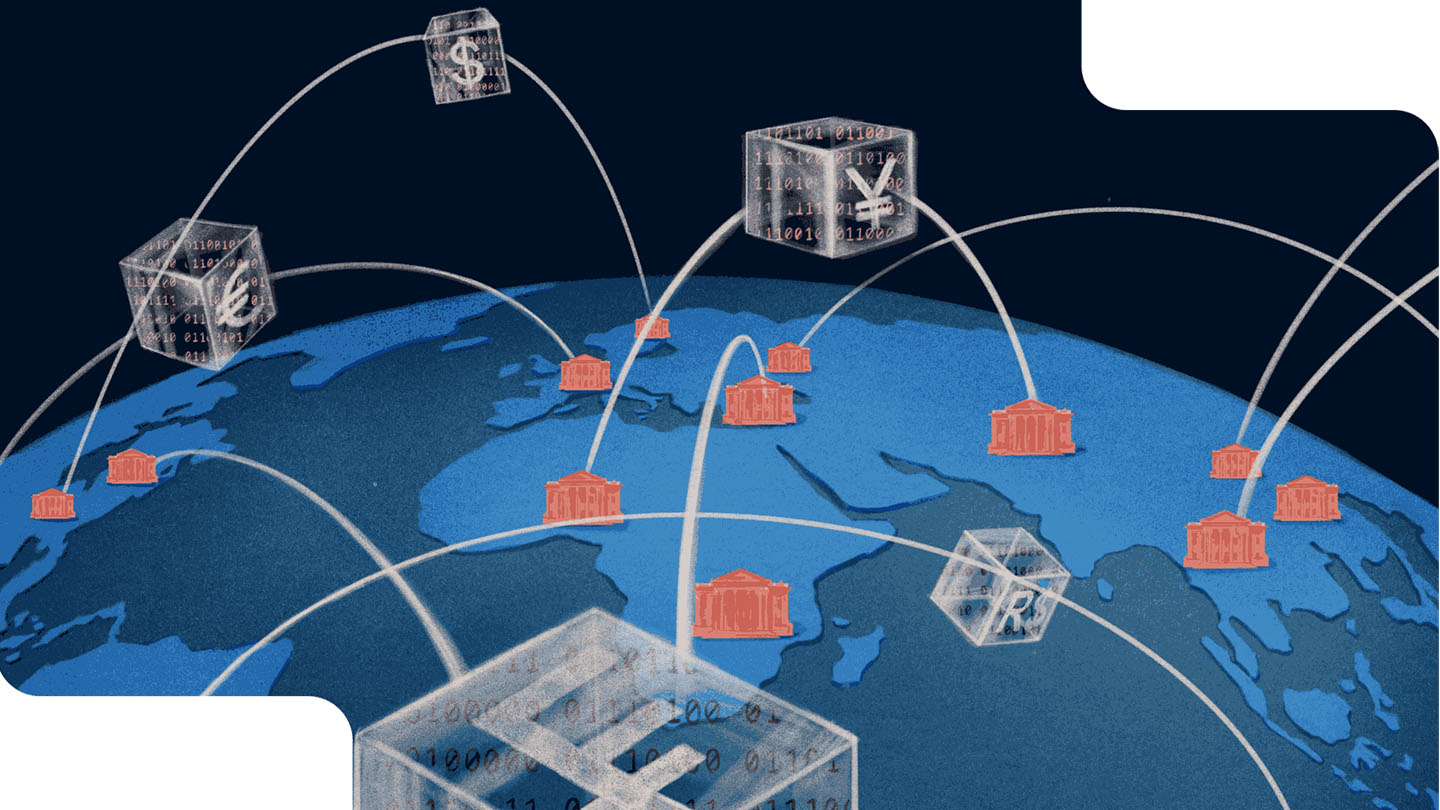
One crucial component of accessibility expansion is the localization of payment processes. Global platforms often encounter challenges stemming from regional differences in payment preferences, regulatory requirements, and transactional security standards. Implementing localized solutions involves supporting local currencies, partnering with regional financial institutions, and understanding country-specific compliance rules. This localization enhances trust and reduces friction, as users perceive that the platform is attuned to their context and respects local financial norms. Furthermore, it enables smoother cross-border transactions, which is vital in an era of digital commerce that transcends national borders.
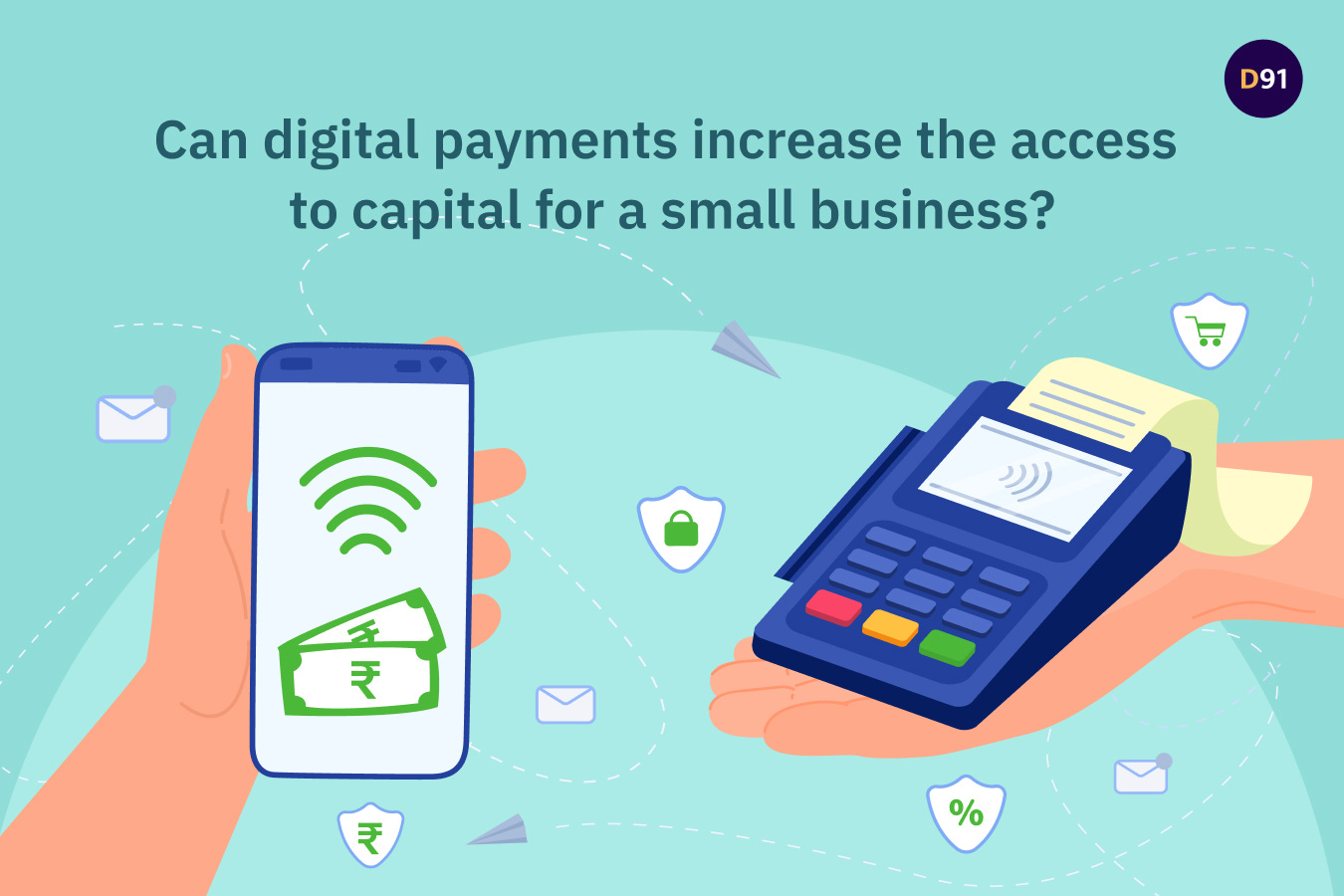
Integration with emerging technologies can also play a pivotal role in accessibility expansion. Mobile payment systems, particularly those leveraging near-field communication (NFC) or QR code-based methods, offer users instantaneous and intuitive transaction experiences. Digital wallets and app-based payment solutions, increasingly prevalent in both developed and developing markets, facilitate secure, one-tap payments while reducing the cognitive load associated with entering payment details repeatedly. By adopting such technologies, platforms not only enhance user convenience but also align with the evolving digital behavior patterns of their audience, particularly younger users who are digitally native and expect frictionless experiences.
Another key strategy is fostering interoperability among different payment networks. Fragmentation of payment systems can lead to user frustration when preferred methods are unsupported or require complex workarounds. Platforms that facilitate interoperability—enabling a single user account to interact seamlessly with multiple banking networks, wallets, or card schemes—simplify the transaction process. This approach not only improves user satisfaction but also reduces dropout rates during payment flows, which is a critical factor in overall conversion and revenue metrics. By creating a unified interface for multiple payment avenues, platforms can accommodate diverse user preferences without compromising system coherence.
Security and compliance are inseparable from accessibility expansion. Users are more likely to engage with payment systems they trust. Thus, platforms must implement robust security measures, including encryption, multi-factor authentication, and fraud detection, while simultaneously ensuring that these mechanisms do not obstruct user accessibility. Striking the balance between security and ease of use is essential: overly cumbersome verification steps can deter users, particularly those less technologically experienced or with limited digital literacy. Regulatory compliance also requires careful attention, as financial systems operate under stringent legal frameworks, often varying across jurisdictions. Ensuring adherence to these rules protects the platform from legal and reputational risks while providing a secure and trustworthy environment for users.
Analytics-driven personalization can further enhance payment accessibility. By analyzing user behavior, transaction history, and regional trends, platforms can dynamically present the most relevant payment options to each user. For instance, a user in Southeast Asia might be offered mobile money or local e-wallets as the primary method, whereas a user in North America might see credit card and PayPal options prioritized. Personalization reduces decision fatigue and streamlines the transaction process, increasing the likelihood of successful payments and repeat engagement. Over time, these insights can inform strategic partnerships, investment in specific payment technologies, and the development of localized financial products tailored to the user base.
Inclusivity extends beyond technological access to encompass affordability and transparency. Transaction fees, hidden charges, and currency conversion costs can disproportionately impact certain user segments. Platforms expanding accessibility must consider fee structures carefully, ensuring that users are not penalized for choosing convenient or localized payment methods. Transparent communication of fees and real-time updates on transaction statuses foster trust and encourage broader adoption. Users who feel confident about costs and outcomes are more likely to engage regularly, reinforcing the platform’s credibility and reinforcing a positive feedback loop between accessibility and user retention.
User education and support infrastructure complement these technical and strategic efforts. Introducing multiple payment options can sometimes overwhelm users unfamiliar with digital financial tools. Platforms that provide intuitive guidance, FAQs, tutorial videos, and responsive customer support reduce the cognitive load and uncertainty associated with unfamiliar methods. Empowering users through education ensures that accessibility initiatives translate into actual utilization, rather than simply existing as potential options. Furthermore, support mechanisms tailored to regional languages and communication channels strengthen user confidence and bridge cultural or linguistic gaps in adoption.
Scalability is a final consideration in payment accessibility expansion. As platforms grow, both in terms of user base and geographic reach, the payment infrastructure must scale accordingly without degrading performance or reliability. Cloud-based payment processing, modular API integrations, and robust backend architecture allow platforms to introduce new payment methods, adjust to evolving regulations, and respond to spikes in transaction volumes. Scalable systems not only ensure smooth operations but also future-proof the platform against rapid market shifts, technological innovations, and user behavior changes.
In essence, payment accessibility expansion models are multidimensional, encompassing inclusivity, localization, technological integration, interoperability, security, personalization, transparency, education, and scalability. Platforms that successfully implement these models transform payment processes from a transactional necessity into a strategic lever for user engagement, market expansion, and trust cultivation. By addressing both the practical and psychological aspects of payment interactions, these models ensure that every user, regardless of location, financial status, or technological literacy, can participate fully in the digital ecosystem. The resulting expansion in accessibility is not merely an operational improvement; it becomes a core driver of platform growth, user satisfaction, and long-term sustainability.


Leave a Reply