
In today’s global marketplace, businesses increasingly recognize the necessity of tailoring transactional processes to the unique characteristics of each region they serve. Regional transaction localization is more than a matter of translating interfaces or offering local payment options; it is a comprehensive approach that considers regulatory environments, cultural norms, economic conditions, and technological infrastructure. By addressing these factors, companies can reduce friction, increase trust, and optimize conversion rates across diverse markets.
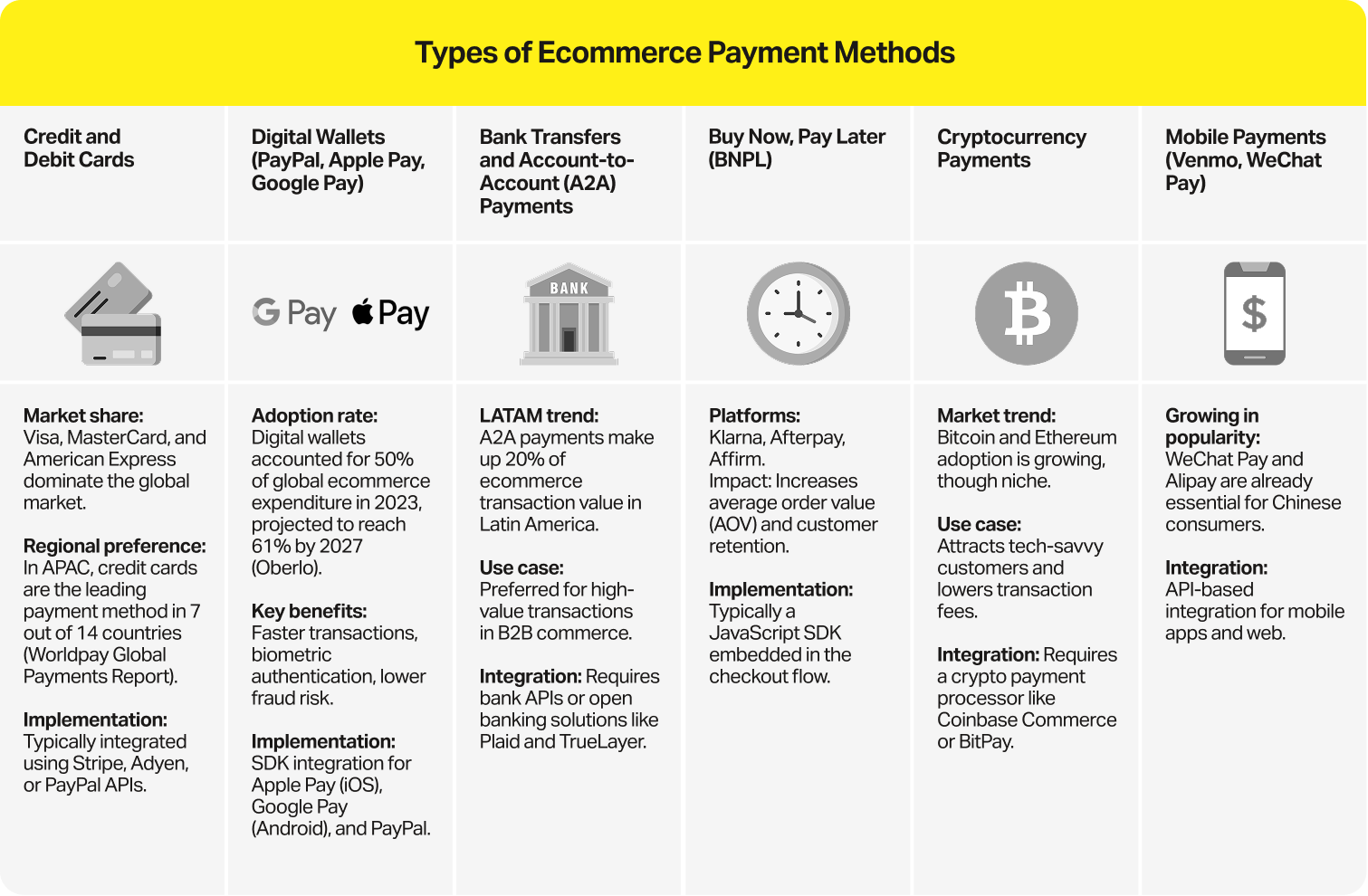
At the core of effective localization is the understanding that consumer behavior varies widely between regions. For instance, the preference for payment methods often reflects local habits rather than technological superiority. In parts of East Asia, mobile wallets and QR code payments dominate, while in North America, credit and debit card transactions remain predominant. Similarly, regions with less banking penetration may rely heavily on cash-on-delivery systems or prepaid instruments. Recognizing these differences allows companies to implement payment strategies that meet customers where they are, rather than forcing them to adapt to unfamiliar systems.
Regulatory compliance is another critical dimension. Different countries have varying rules regarding data privacy, financial reporting, anti-money laundering measures, and taxation. Companies expanding into multiple regions must ensure that every transaction adheres to local legislation to avoid legal complications and potential fines. This requires not only an awareness of current regulations but also a system capable of adapting quickly to regulatory changes. Dynamic compliance monitoring and automated reporting tools have emerged as essential components of robust localization strategies.
Language and cultural nuances extend beyond simple translation of user interfaces. Transaction-related terminology, prompts, and confirmations must resonate with local users to avoid confusion or mistrust. For example, the phrasing of payment confirmation messages can influence perceived security and legitimacy, which directly impacts conversion rates. Cultural differences may also affect the perceived hierarchy of information: some regions prioritize detailed breakdowns of fees and taxes, whereas others favor streamlined summaries. By tailoring content presentation to regional expectations, businesses can enhance user confidence and reduce transaction abandonment.
Localization strategies also intersect with the technological landscape. Internet penetration rates, device preferences, and network reliability vary across markets. In regions with high mobile adoption, optimizing payment flows for smartphones can significantly improve the user experience. Conversely, areas with intermittent connectivity may benefit from lightweight transaction designs that minimize data consumption and allow for offline or deferred processing. Additionally, integrating region-specific authentication methods, such as biometric verification or national ID systems, can enhance security while accommodating local practices.
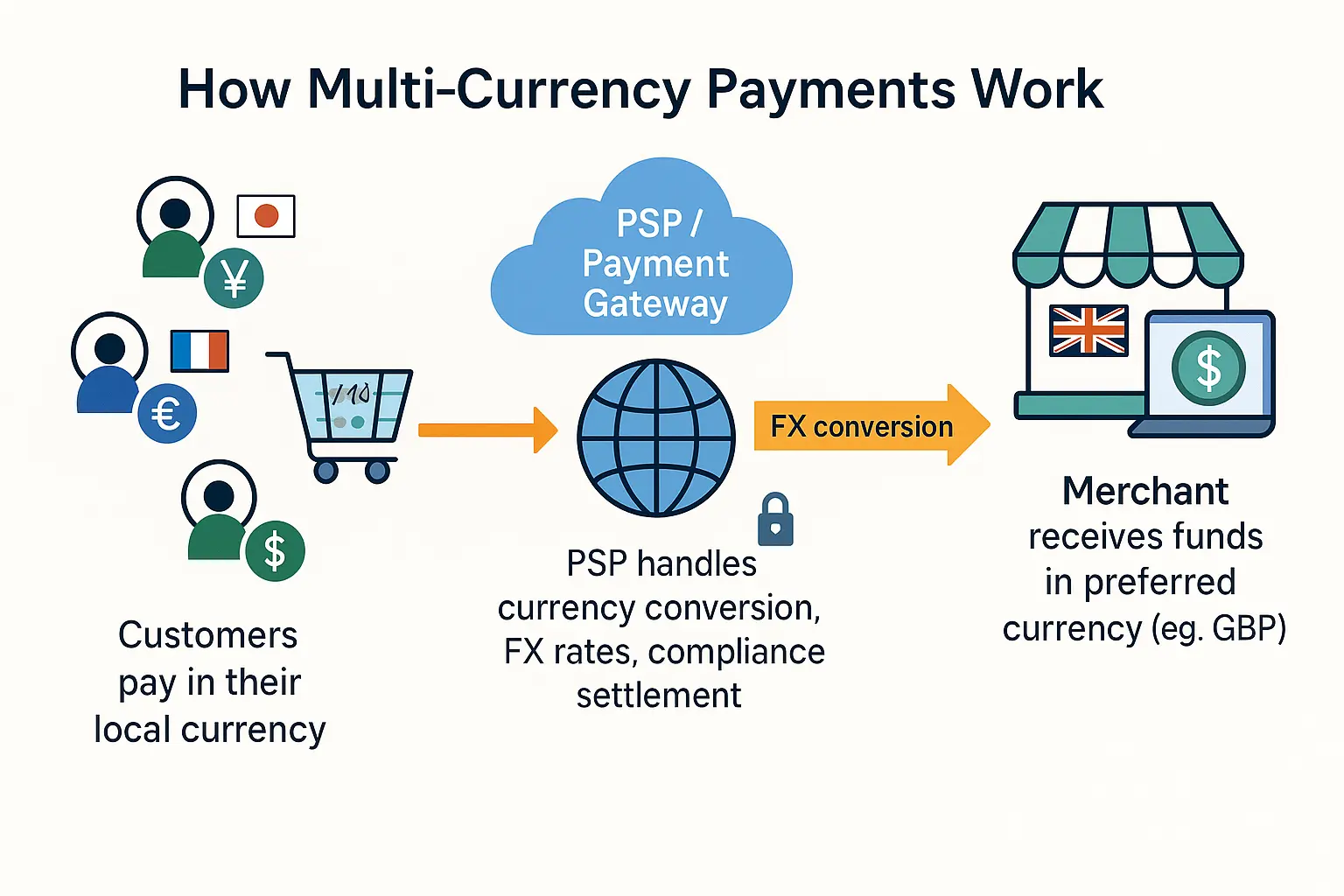
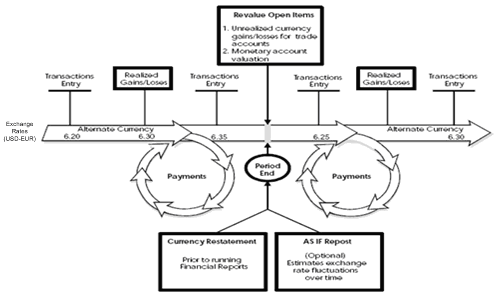
Another layer of sophistication in transaction localization involves currency handling and financial settlement. Offering local currency pricing is crucial for transparency and trust, but it also introduces complexities in terms of exchange rate management, reconciliation, and cross-border taxation. Multi-currency support should include real-time conversion rates, clear communication of fees, and smooth integration with local banking networks. Companies that effectively manage these elements reduce friction for customers while safeguarding operational efficiency.
Behavioral data and analytics play an increasingly important role in shaping localization strategies. Monitoring transaction patterns, preferred payment methods, and abandonment rates provides actionable insights into regional preferences. For instance, if a particular payment gateway demonstrates consistently higher conversion rates in one market, prioritizing its integration can yield tangible benefits. Similarly, identifying friction points—such as payment method drop-offs or errors in currency conversion—enables continuous refinement of the transactional experience. Predictive analytics and machine learning can further enhance these strategies by anticipating customer needs and dynamically adjusting payment options or messaging.
Customer support and dispute resolution mechanisms are integral to successful localization. Regions differ in expectations regarding responsiveness, communication channels, and resolution timelines. Providing support in local languages, via preferred communication channels, and with culturally attuned protocols enhances trust and mitigates friction during transaction disputes. Additionally, localized return and refund policies, aligned with regional norms, can prevent dissatisfaction and foster long-term customer loyalty.
Partnerships with local financial institutions, payment processors, and technology providers can accelerate localization efforts. Leveraging existing networks and expertise allows companies to navigate complex regulatory frameworks, adopt popular payment methods, and gain credibility in the local market. These collaborations often extend to co-branded initiatives or localized promotions, further embedding the business within regional ecosystems.
Scalability and flexibility are crucial considerations. As companies expand into multiple regions, a rigid transactional system can become a liability. Modular architectures, configurable payment workflows, and API-driven integrations allow businesses to replicate successful strategies across markets while customizing key elements to local needs. This approach reduces development overhead and accelerates time-to-market for new regional deployments.
Finally, transparency and trust underpin all aspects of regional transaction localization. Clear communication of fees, security measures, and data usage policies fosters confidence and encourages adoption. Incorporating trust signals—such as familiar local payment logos, compliance certifications, or localized testimonials—reinforces legitimacy. In regions where skepticism toward foreign companies is high, these signals can be decisive in determining whether a customer completes a transaction or abandons it.
In conclusion, regional transaction localization is a multifaceted endeavor that encompasses cultural adaptation, regulatory compliance, technological optimization, financial management, and customer engagement. Companies that embrace this complexity and invest in comprehensive localization strategies position themselves for higher conversion rates, improved customer satisfaction, and sustainable growth in diverse markets. By continuously analyzing regional behaviors, refining payment experiences, and maintaining flexibility in system design, businesses can create transactional ecosystems that feel native to each market, ultimately enhancing both operational efficiency and customer loyalty.

Leave a Reply